|
|
 |
 |
 |
 |
 |
 |
 |
 |
 |
 |
 |
 |
 |
|
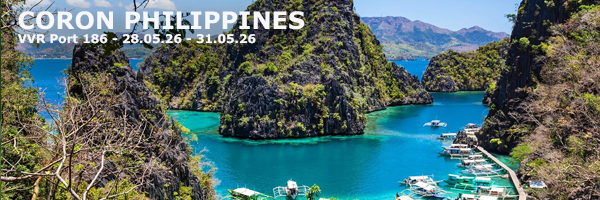
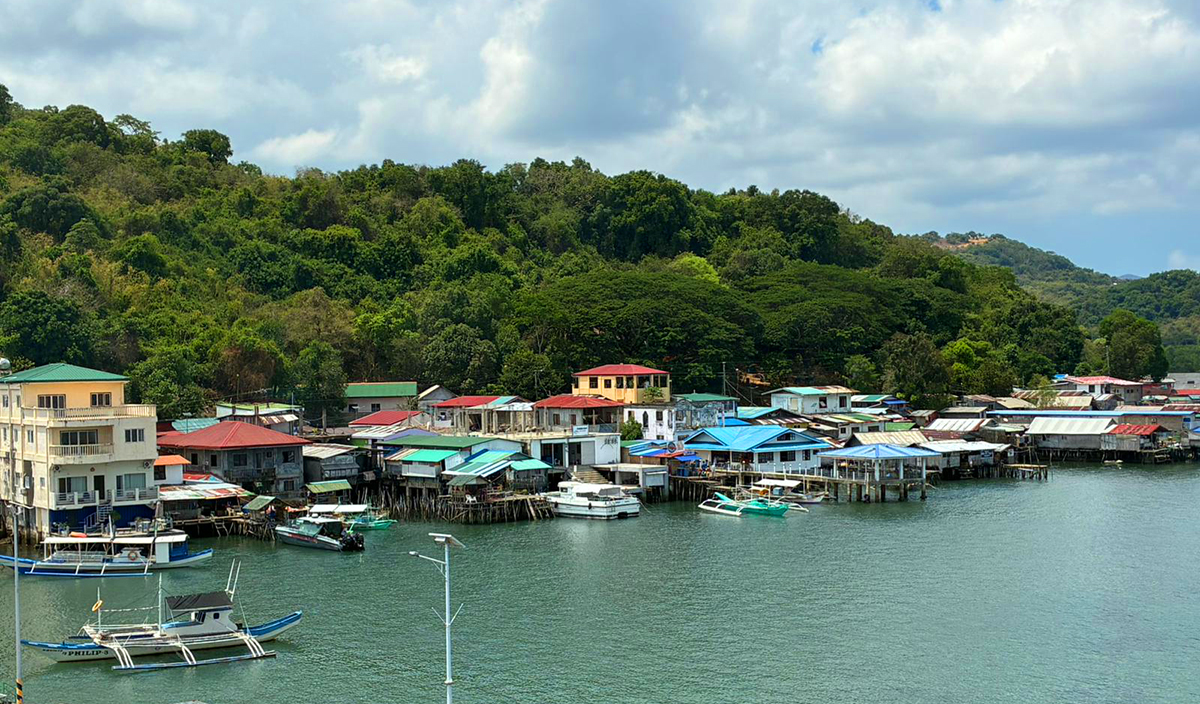
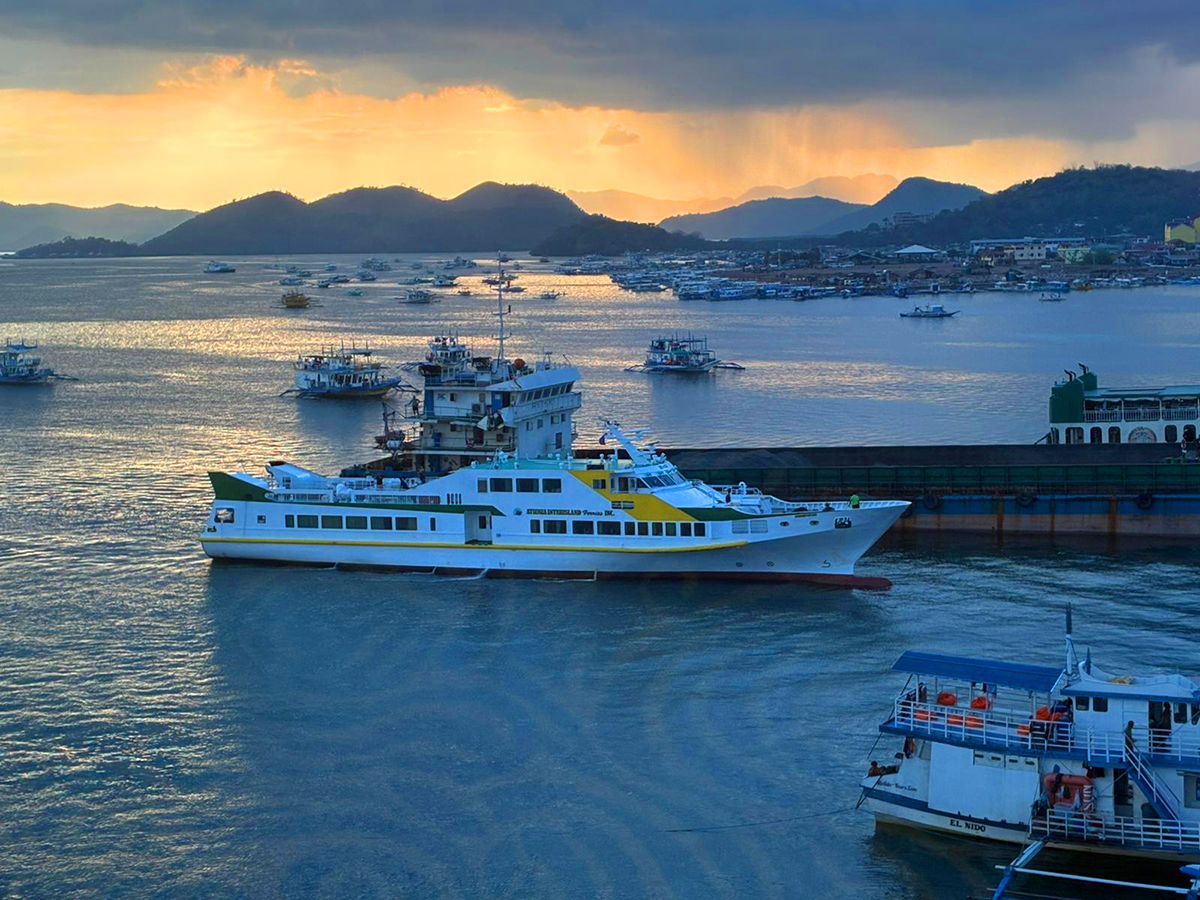
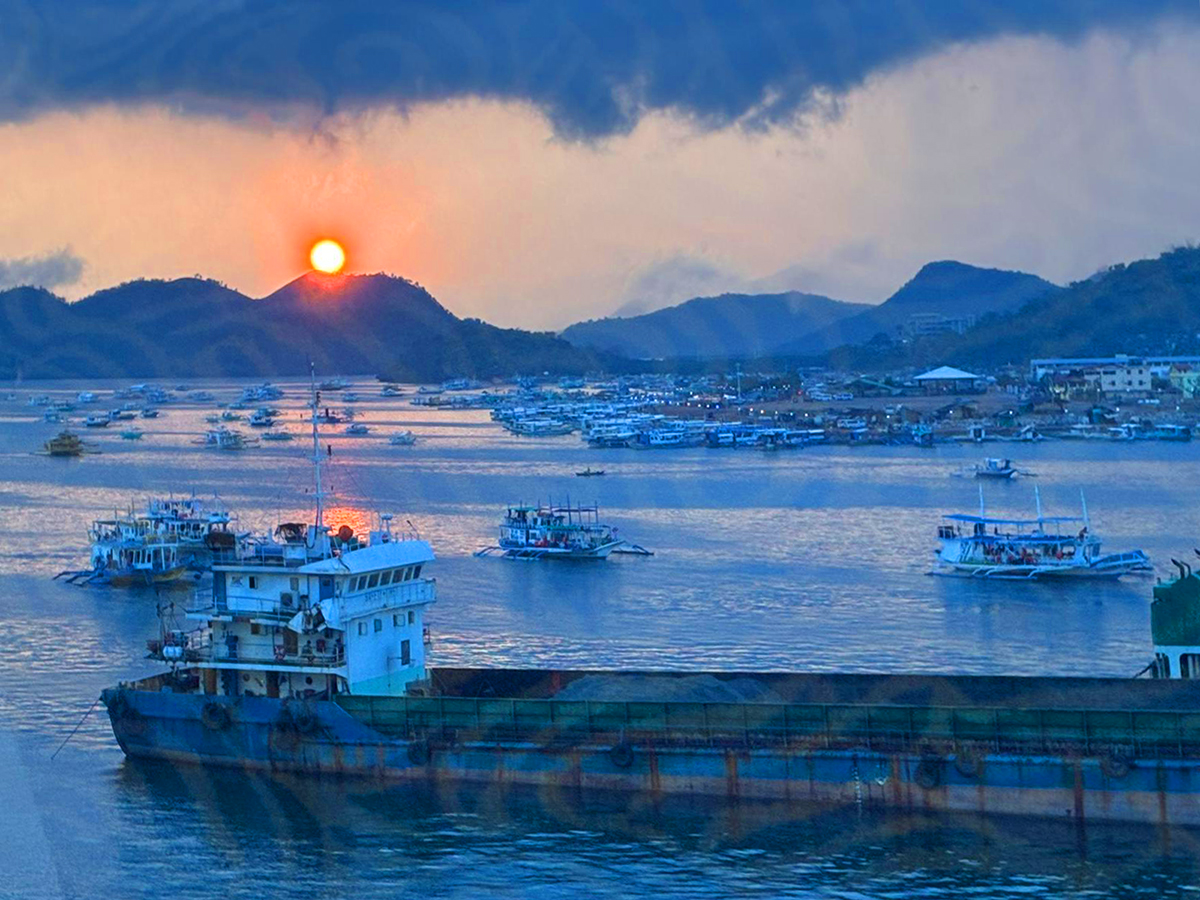
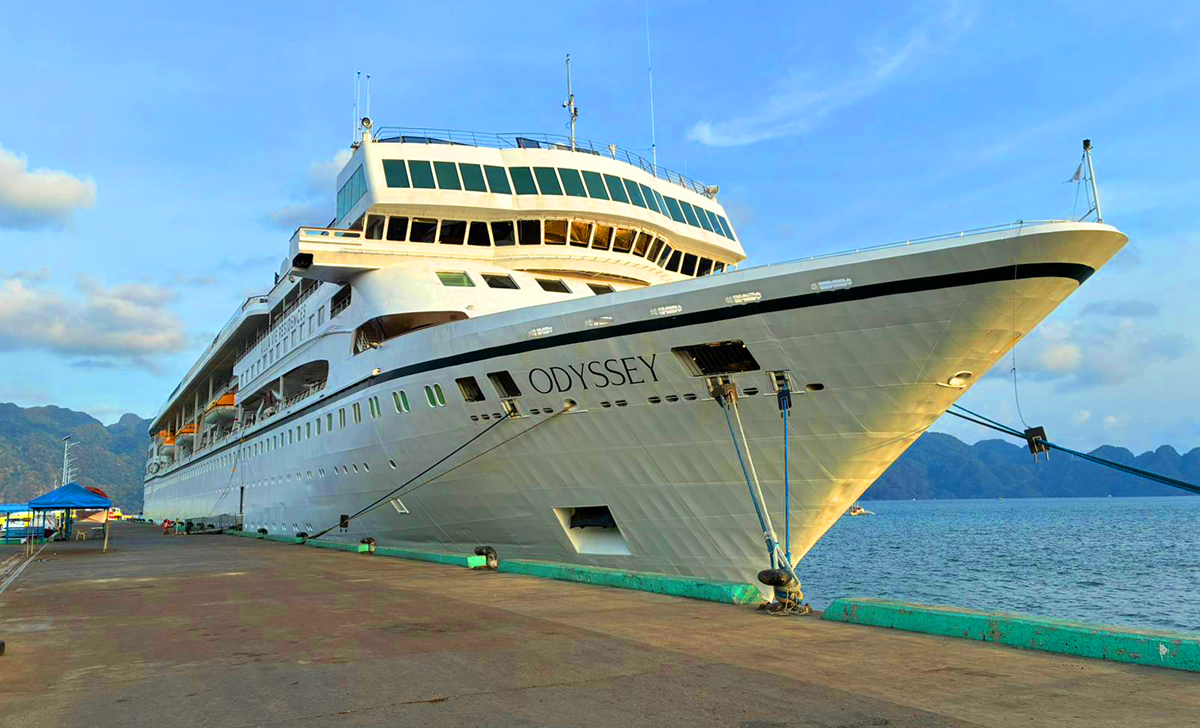
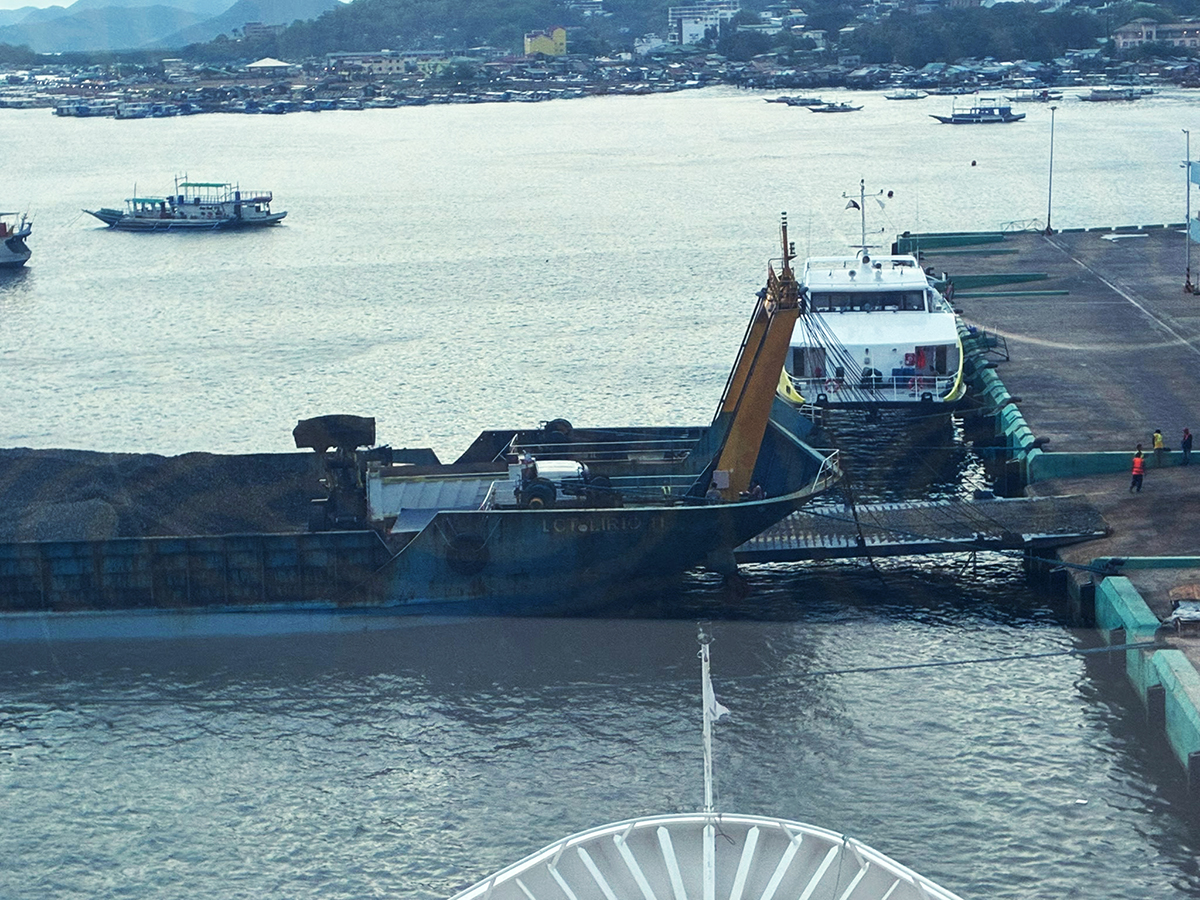
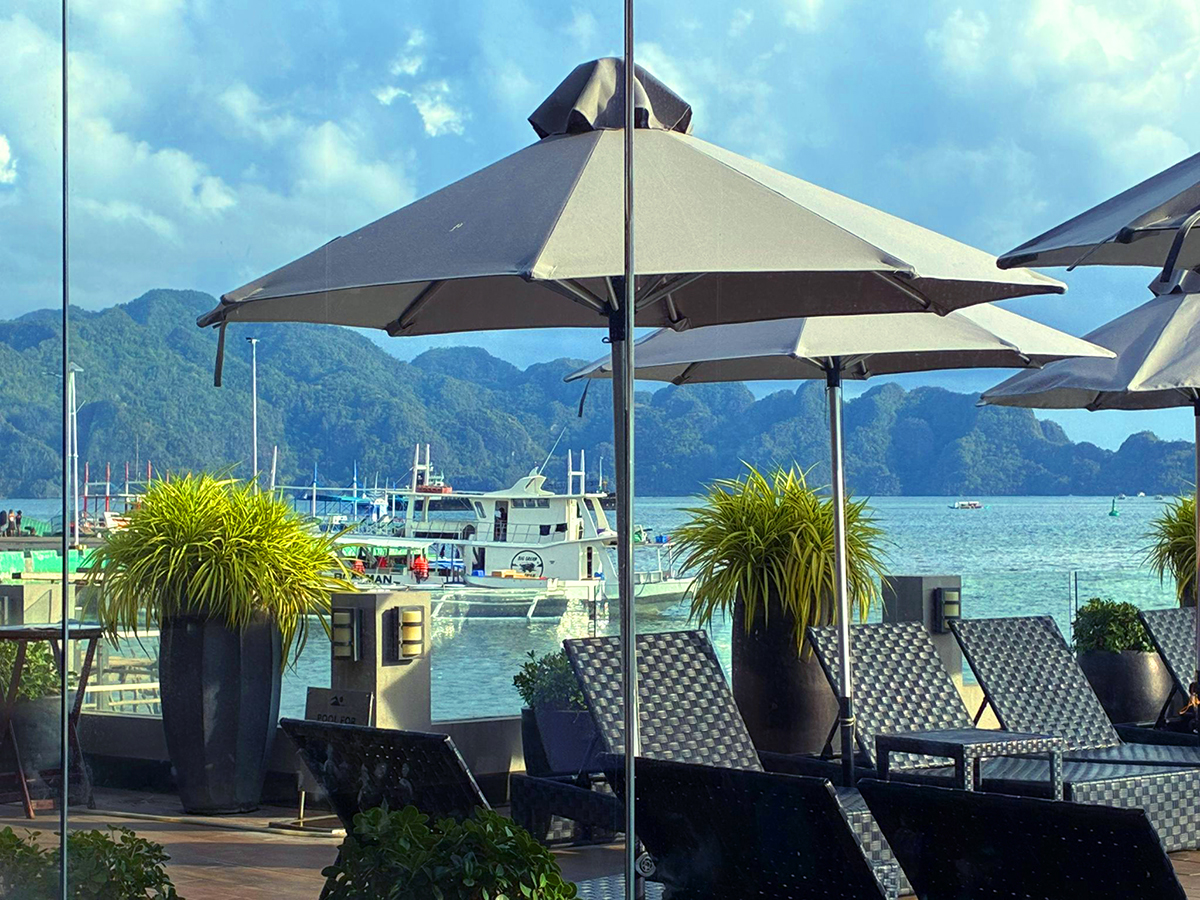
May 28-31, 2026 Marti Eicholz After two days of open water, with the low thrum of the Odyssey beneath my feet and the salt of the wind settled into my skin, Coron appeared not abruptly but like a vision slowly gathering substance. First there were only hints, dark shapes on the horizon, a deepening green in the distance, the air itself seeming to change, warmer and more fragrant, carrying the faint vegetal sweetness of land after so much sea. Then the islands began to lift themselves fully into view: limestone cathedrals rising from water so clear and blue it seemed lit from below, their sheer faces catching the morning light in bands of silver, jade, and shadow. The deck smelled of sun-warmed metal and brine; gulls wheeled and cried overhead; somewhere behind me came the muted clink of cups and quiet voices from fellow shipmates, as if everyone instinctively understood that this was a moment to enter softly. There are places one visits, and there are places that seem to rise out of the world like a memory one has somehow always carried. Coron feels like the latter; less an arrival than an unveiling, scattered before us like fragments of some ancient dream, and held in a silence that does not empty the world but deepens it. What feels most important about Coron is not simply its beauty, though beauty is everywhere, lavish and almost implausible. It is the way water and stone speak to one another here. At Kayangan Lake, often celebrated as one of the clearest lakes in the Philippines, the world appears distilled to its purest elements; glasslike water, green light, dark rock, and the soft astonishment of one’s own smallness. In Twin Lagoon, where passages of water slip between towering walls of limestone, there is something secretive and enchanted, as if the earth had folded inward to protect a hidden chamber of stillness. And in Barracuda Lake, unusual even by Coron’s otherworldly standards, the shifting layers of fresh and salt water and its dramatic underwater limestone formations make the place feel less like a lake than an underwater dream. Then there is the strangeness beneath the surface, which may be Coron’s most haunting gift of all. Few places in the world offer the chance to drift above the remains of World War II shipwrecks now transformed by coral, light, and fish into living monuments. These wrecks are not only must-sees for divers and snorkelers; they are among Coron’s most unusual truths; history resting quietly underwater, grief and beauty sharing the same reef. Elsewhere, places like Siete Pecados Marine Park and the coral gardens near the wreck sites bloom with marine life, turning the sea itself into a cathedral of motion and color. And yet Coron is not all grandeur and spectacle. Its wonder also lies in contrast: the white, quiet beaches of islands such as Malcapuya and the smaller coves where sand seems to dissolve into light; the sudden, earthy consolation of Maquinit Hot Springs, one of the rare saltwater hot springs in the world, where day can end in warmth and mineral hush; the climb up Mt. Tapyas, where the town, the harbor, and the scattered islands gather at sunset into a single breathtaking map of sea and sky. These are not merely attractions but moods, each one revealing a different face of Coron, wild, tender, radiant, and unexpectedly intimate. Perhaps that is what makes Coron unforgettable: it feels at once immense and deeply personal, dramatic enough to humble you and gentle enough to invite reflection. It is a place of must-sees, certainly, lakes, lagoons, reefs, wrecks, hot springs, and high viewpoints, but more than that, it is a place that rearranges one’s sense of wonder. To come upon it after days at sea is to be reminded that the world still keeps a few of its marvels in reserve, waiting not to be conquered, but simply beheld. |
|
Copyright © 2026 All rights reserved |