|
|
 |
 |
 |
 |
 |
 |
 |
 |
 |
 |
 |
 |
 |
|
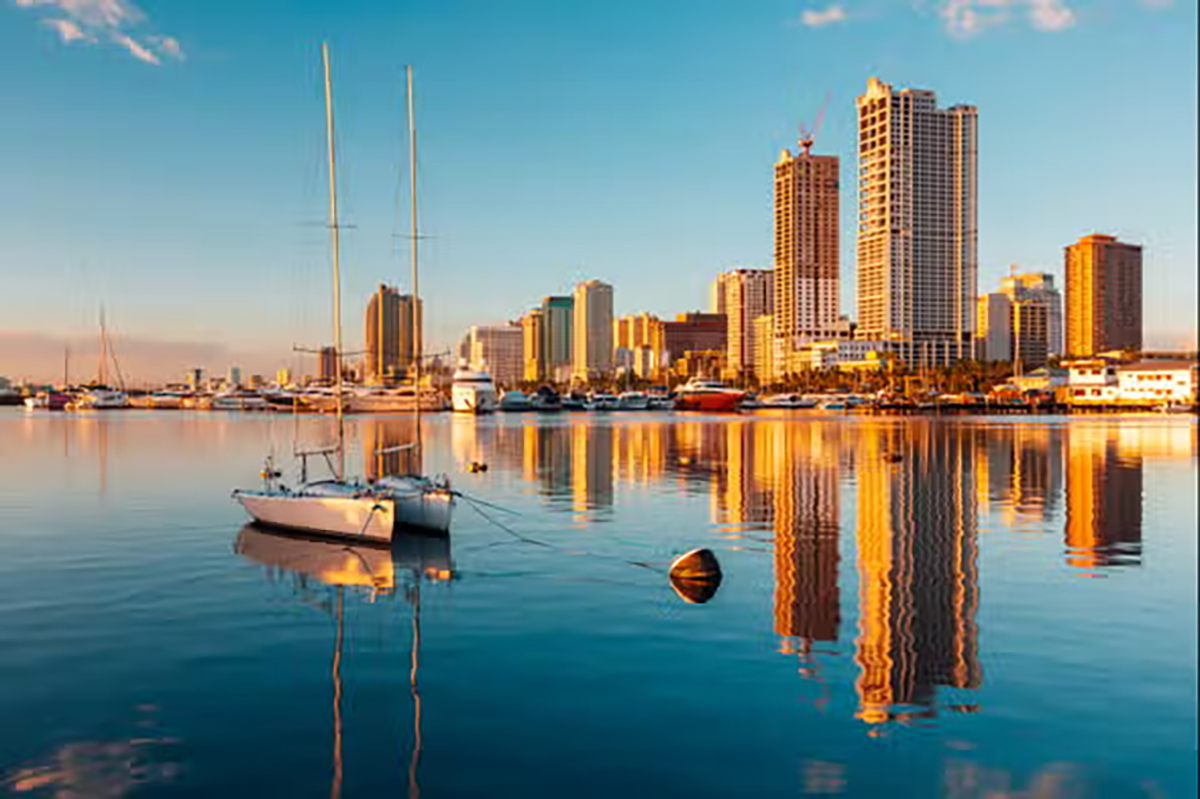
June 7-10, 2026 Marti Eicholz Manila did not arrive to me all at once. It came in flashes, gold light spilled across old stone, the sudden fragrance of garlic and broth rising from an alley slick with afternoon heat, the shrill music of jeepneys threading through traffic like bright metal birds, the river glinting under a haze the color of pewter and pearl. It is a city of beautiful contradictions: devotional and defiant, exhausted and exuberant, wounded by history and yet somehow always singing over its scars. To walk through Manila is to feel time layered under your feet, as if every pavement keeps the pressure of vanished footsteps. One moment you are inside the thick pulse of a modern metropolis, where horns, voices, engines, and prayers braid into a single restless sound, and the next you are standing before walls that have watched empires come and go, wars rage and recede, nations grieve and begin again. What stays with me most is Intramuros, where Manila seems to gather itself into a solemn and luminous hush. Inside the old walled city, the noise of the present softens, and history becomes almost tactile. the roughness of stone under the palm, the slow drift of heat along the walls, the shadows of capiz windows and old trees crossing the ground like long thoughts. At Fort Santiago, the air itself feels altered, heavy with remembrance; this is not merely a landmark but a chamber of national memory, a place marked by resistance, imprisonment, and survival. Nearby, the old churches and plazas carry the quiet grandeur of centuries, the faint toll of bells, the flutter of pigeons, the murmur of footsteps over brick and gravel. One should not hurry here. One should walk slowly, tracing the arc of the walls, pausing beneath acacia shade, letting the past speak in fragments. Intramuros is not only something to see, but also something to absorb, almost through the skin. Then there is Binondo, ancient and alive, where hunger becomes a kind of pilgrimage. The oldest Chinatown in the world does not present itself delicately; it announces itself in steam, chatter, sweetness, soy, and the irresistible logic of one more bite. The streets seem to breathe through their kitchens: broth simmering behind fogged glass, scallion and sesame in the air, trays of pastries catching the light, lacquered meats hanging in windows like edible lanterns. Here, Manila reveals one of its most unusual and enduring truths: that its identity has always been a confluence, a mingling of inheritances impossible to separate cleanly. To wander Ongpin and its surrounding streets is to encounter the city through appetite, through bowls warm in the hand, dumplings releasing their fragrant heat, pastries that crumble into butter and memory, and stories folded into recipes older than recollection. If one wishes to understand Manila, one should come to Binondo hungry and leave with stained fingers, full senses, and a heart made strangely tender by abundance. Yet Manila’s unforgettable moments are not only grand or historic, but some are also unexpectedly tender. Arroceros Forest Park, often called the city’s last lung, feels almost miraculous in its existence, a green reprieve where the city exhales, where leaves whisper over pathways and the hard glare of concrete gives way to filtered light and birdsong. Escolta, with its old commercial bones and fading elegance, offers another kind of enchantment: a glimpse of Manila’s former sophistication still flickering through weathered facades, ironwork, bridges, and forgotten glamour. Even the Pasig River, long treated as backdrop rather than protagonist, has begun to return to the story. To ride the Pasig ferry or stroll stretches of the river esplanade is to see the city from a different angle, the wind lifting the day’s heat from your skin, the water carrying reflections of bridges and buildings in broken ribbons of light. There, Manila feels less like congestion and more like current; less like ordeal and more like unfolding possibility. And of course, one must make room for the sunset. Manila Bay, for all the city’s complications and contrasts, still knows how to stage an evening worthy of silence. The sky deepens into copper, then rose, then bruised violet; buildings become silhouettes; the day loosens its grip, and the salt-thick air turns almost tender. In that hour, the city seems briefly gathered into one breath, as if all its noise, striving, sorrow, and splendor have come to rest at the edge of the water. What one should see and do in Manila, then, is not simply a checklist but a way of paying attention: walk Intramuros at an unhurried pace; stand inside Fort Santiago and listen for history; visit the National Museum and let the nation tell its story to you; eat your way through Binondo; seek out old Escolta and the river; rest for a moment in Arroceros; and end at the bay, where Manila, restless all day, becomes almost lyrical itself. This is what makes it important, interesting, unusual, unforgettable: Manila does not charm by perfection. It endures in memory because it is human in the largest sense, messy, storied, wounded, generous, and astonishingly alive. Perhaps that is why it feels complete to me: not because everything has been said, but because the piece now carries a full arc of place, sensation, history, and feeling. |
|
Copyright © 2026 All rights reserved |