|
|
 |
 |
|
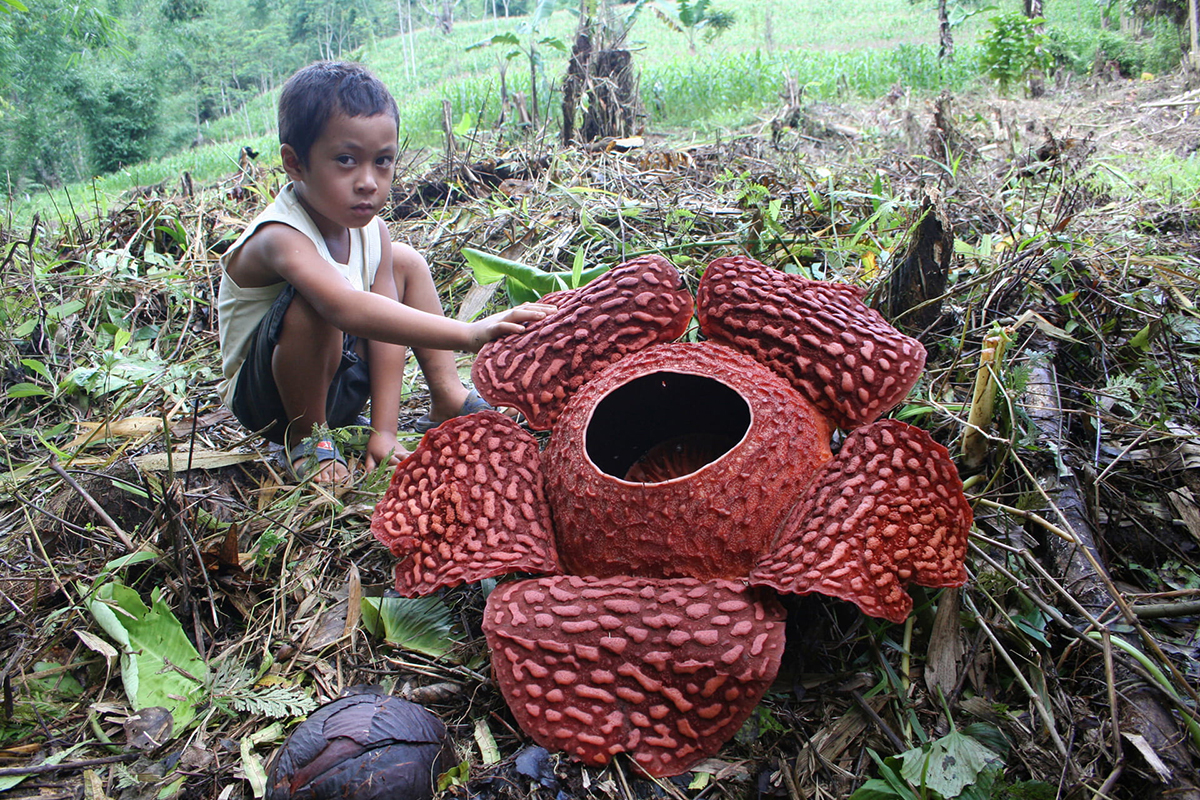
May 25, 2026 Marti Eicholz Arriving in Kota Kinabalu is as if stepping into a threshold between elements, where mountain, sea, rain, and light seem to recognize one another by name. The city does not announce itself with grandeur so much as with a kind of luminous ease: a waterfront breathing in salt and diesel and laughter, low buildings holding the day’s heat, and the sense that beyond every street corner something older and greener is waiting. Here, on the edge of Borneo, it feels less a destination than entering a conversation already in progress, one spoken by tides, by markets, by clouds gathering and dissolving over distant ridges. The first thing the locals taught me was their city’s peculiar, magnificent sunsets, indicating in Kota Kinabalu, dusk does not merely fall; it performs. The sky begins with restraint; pearl, apricot, pale gold, and then, with almost theatrical abandon, breaks into impossible colors: bruised violet, burning tangerine, sheets of rose and copper laid over the South China Sea. Along the waterfront, everyone is initiated into the same devotion. Strangers stop mid-step. Vendors pause. Glasses are lifted. Children point upward as if witnessing a miracle that has somehow arrived on schedule. I thought where else does evening feel so public, so shared, and yet so personally intimate. During the day drift through the markets and side streets without a plan, because those hours will be the ones you remember most fondly as the city reveals itself through its textures and appetites. The markets are their own weather systems, humid, vivid, alive with barter and fragrance. Slow down at the Filipino Market, wander among heaps of rambutan and mangosteen, silver fish laid like sequins on ice, baskets of chilies bright as signal fires, the shine of fruit piled in color-saturated heaps, the astonishing marine abundance for which this coast is known, be drawn by the smoke of grilled fish, and the quick music of bargaining and laughter. Wander farther on, toward the mosque with its pale blue dome, or climb toward Signal Hill just to let the city rearrange itself below you. What stays with you is not any one sight exactly, but the feeling of being gently admitted into the city’s everyday life; through food, through voices, through the ordinary grace of watching people move through a place that is entirely their own. There is something deeply moving in the easy interweaving of lives here: Malay, Chinese, Kadazan-Dusun, Bajau, and many others, each presence leaving its trace in the food, the language, rhythm of the streets. Kota Kinabalu feels less like a single identity than a tidepool of cultures, each distinct and shimmering, yet all held together in one basin of light. Just offshore, the islands of Tunku Abdul Rahman Marine Park rise from the water like green punctuation marks in a blue sentence. Taking the boat out to the islands, what startled me most was how quickly the urban murmur gives way to astonishment: the noise of streets and engines falls behind, and you are among a realm of coral gardens, translucent shallows, and beaches that seem powdered from light itself, too luminous to be true. You remember the names: Manukan, Sapi, Mamutik, Gaya, Sulug, as if they belong to a small private litany. The day passes in fragments of salt and sunlight: stepping off the boat, looking down through the water, the soft fatigue of swimming, the strange contentment of returning later with skin warm from sun and sea. That movement between city and island feels like one of Kota Kinabalu’s quiet miracles. And always, somewhere beyond sight, there was Mount Kinabalu, the great granite presence for which the city is named. Even when I could not see it, I felt its authority, as though the mountain cast not only a shadow but a temperament over the region. In the clear hours, its silhouette seemed to gather the whole landscape into proportion, reminding me that this easygoing coastal city stands in the company of one of Southeast Asia’s most storied peaks. There was something unusual and deeply affecting in that coexistence: the sea’s looseness beside the mountain’s severity, coral islands below and cloud forests above, a geography of opposites living in calm accord. A group of my shipmates went inland toward Mount Kinabalu, remembering the journey almost as much as the mountain itself. The road seemed to carry them gradually out of one climate of feeling and into another: the air cooling, the vegetation thickening, the coast’s easy brightness giving way to something more shaded and immense. They did not need to conquer the mountain to feel its presence. It was enough to stand in its vicinity and sense how completely it alters the scale of thought. By the time they reached the quieter air of Kinabalu Park, and later the hush around Poring, they felt as though the region had opened a second self to them, less tidal, less glittering, but just as unforgettable. Borneo itself lent our visit its deeper current of wonder, the sense that Borneo is waiting just beyond the visible edge. Even within the city’s comfort and in the hush of river margins, one is never far from the idea of wildness: from mangroves and proboscis monkeys with their strange, solemn faces, from hornbills slicing the air, from rafflesia blooming somewhere in secret like an earthly myth. There is an unusual doubleness to Kota Kinabalu: it is accessible and untamed, sociable and immense. One can sip coffee in a polished café while knowing that rainforests of astonishing antiquity begin not so very far away, sheltering creatures and silences older than memory. Few places allow modern life and primordial imagination to stand so near each other. Thinking of Kota Kinabalu, it is not a checklist of sights, but a sensation of being gently enlarged. It gives beauty in obvious forms, the sea, the islands, the spectacular sky. but also in subtler ones: in the mingling of peoples, in the market’s choreography, in the mountain’s invisible gravity, in the knowledge that wilderness still presses close to the edges of ordinary life. That awareness makes the visit feel humbler and more intimate all at once, feeling both welcoming and unknowable, tender and elemental. |
|
Copyright © 2026 All rights reserved |