|
|
 |
|
|
 |
 |
 |
 |
|
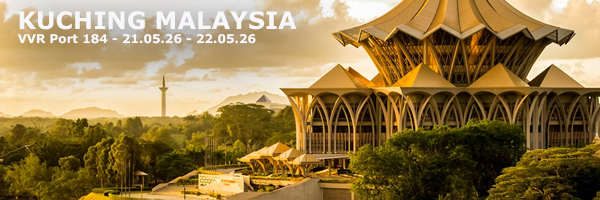
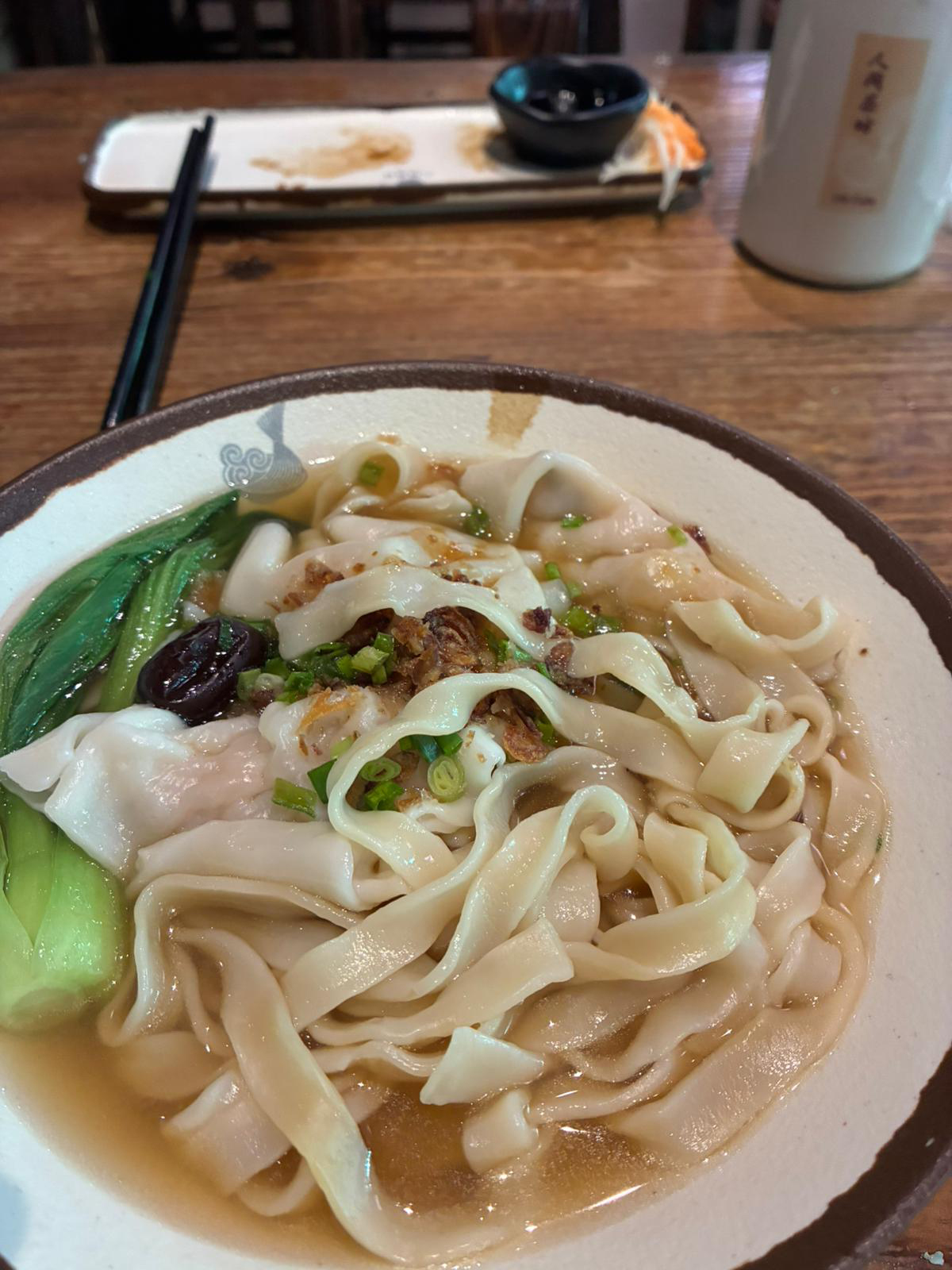
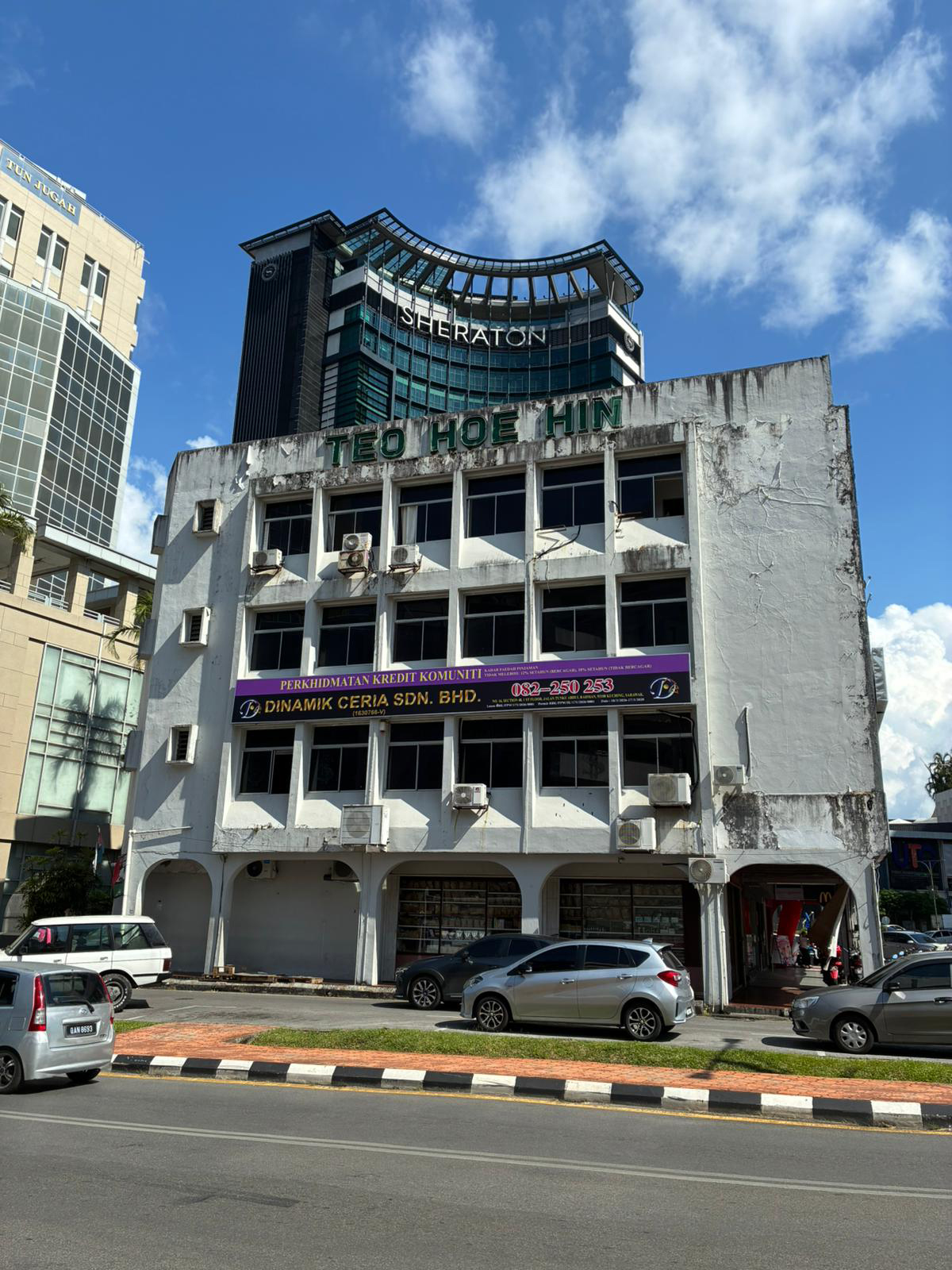
May 21-22, 2026 Marti Eicholz After days at sea, Kuching does not announce itself so much as lean toward me gently, like a secret spoken at the water’s edge. It arrives with no need for grandeur. Instead, it offers a softness I feel almost at once, as though the city has opened its palms and asked me, very quietly, to rest. The Sarawak River moves with the hush of something ancient and knowing. It does not hurry for anyone. It carries old facades, timbered boats, mosque domes, temple roofs, and the amber light of late afternoon as if cradling memory itself. Standing beside it, I feel my own hurriedness loosen. My breath grows slower. My thoughts grow quieter. The river teaches me, without a word, how to be. Kuching feels less like a place I have come to see than a feeling I have somehow remembered. It is warm without demanding, beautiful without display, intimate in the way only old river cities can. Here, histories rest close together without crowding one another, the Brooke-era hush of Fort Margherita, the steadfast presence of Tua Pek Kong Temple by the waterfront, the Chinese shophouses, the Malay villages, the indigenous pulse beneath it all. Nothing strains to be noticed, and yet everything is quietly luminous. Even the city’s affection for cats, so playful and faintly mischievous, feels like an extension of its soul. There is wit here, and lightness, and a kind of tender self-awareness. Kuching seems to smile without ever asking to be admired, and that may be part of why I take to it so quickly. And then there is the food, which feels less like sustenance than belonging. In Kuching, a bowl of Sarawak laksa is not merely fragrant with spice and coconut; it is warmth, welcome, inheritance. Kolo mee arrives with the grace of something simply made perfect over time. In kopitiams and markets, I sense how deeply a place can live inside its flavors, land and river, migration and memory, daily life and devotion, all of it gathered into broth, noodles, steam, and scent. To eat here is to be folded, however briefly, into the city’s inner life. Beyond the city, the rainforest begins almost like a second heartbeat. At Semenggoh, the orangutans move through the trees with a stillness so ancient it feels almost sacred. In Bako, cliffs, mangroves, and the strange grace of proboscis monkeys remind me that Kuching lives in constant conversation with the wild. But even these beautiful edges of Borneo feel, somehow, like an extension of the city’s tenderness, its nearness to something older, deeper, less easily spoken. What remains with me, more than any landmark or photograph, is the way Kuching makes room inside me. It does not dazzle; it draws near. It asks me to slow my step, to listen to the murmur of water and the hush between old walls, to notice the scent of rain rising from stone, the comfort of broth, the fading gold of evening on the river. Somewhere in that quiet, I stop feeling like a visitor. I feel held, as if the city has gathered me softly into its weathered, river-lit heart and for a moment, I belong to it too. |
|
Copyright © 2026 All rights reserved |