|
|
 |
 |
 |
 |
 |
 |
 |
 |
 |
|
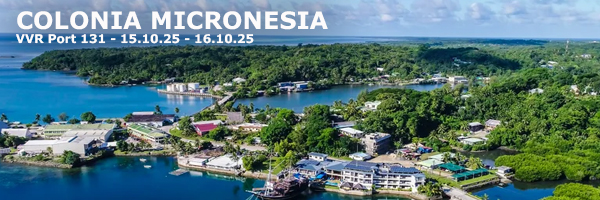
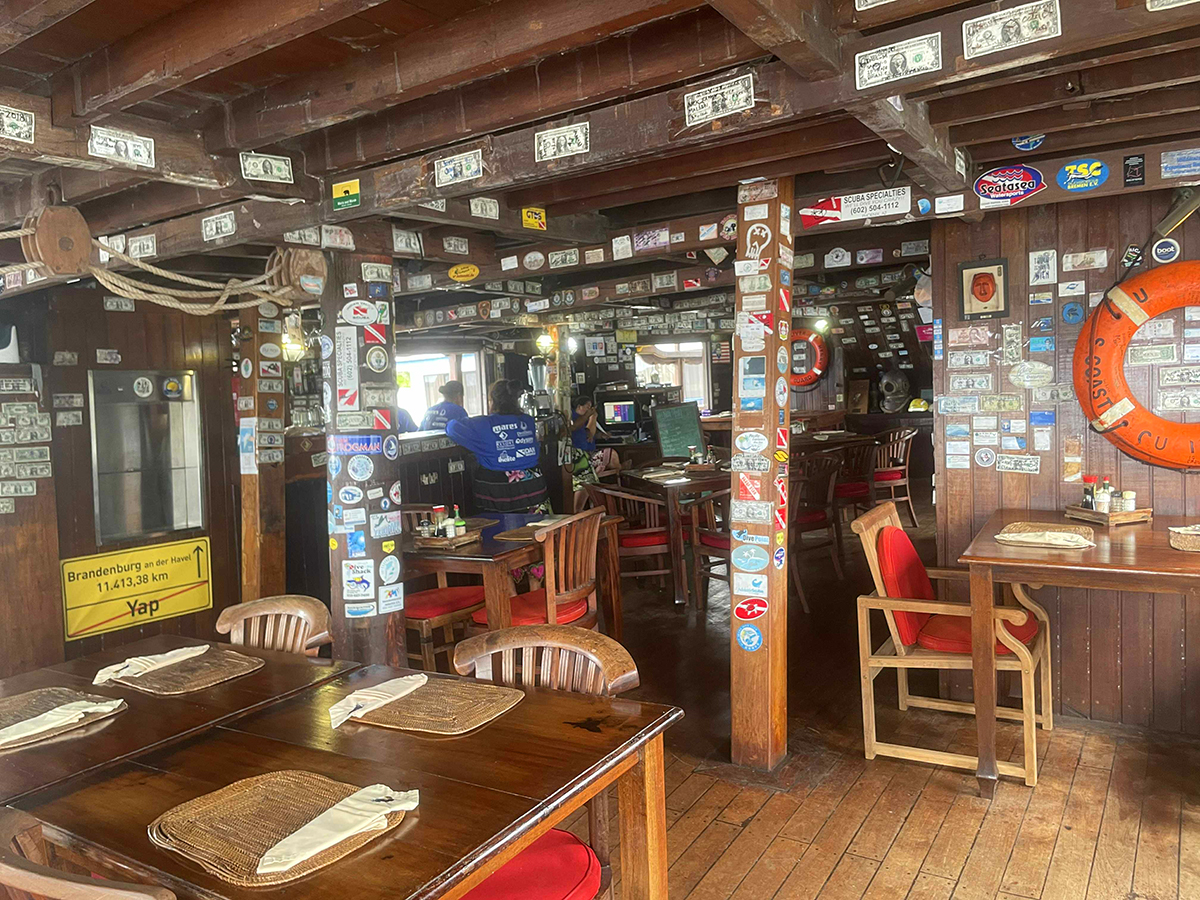
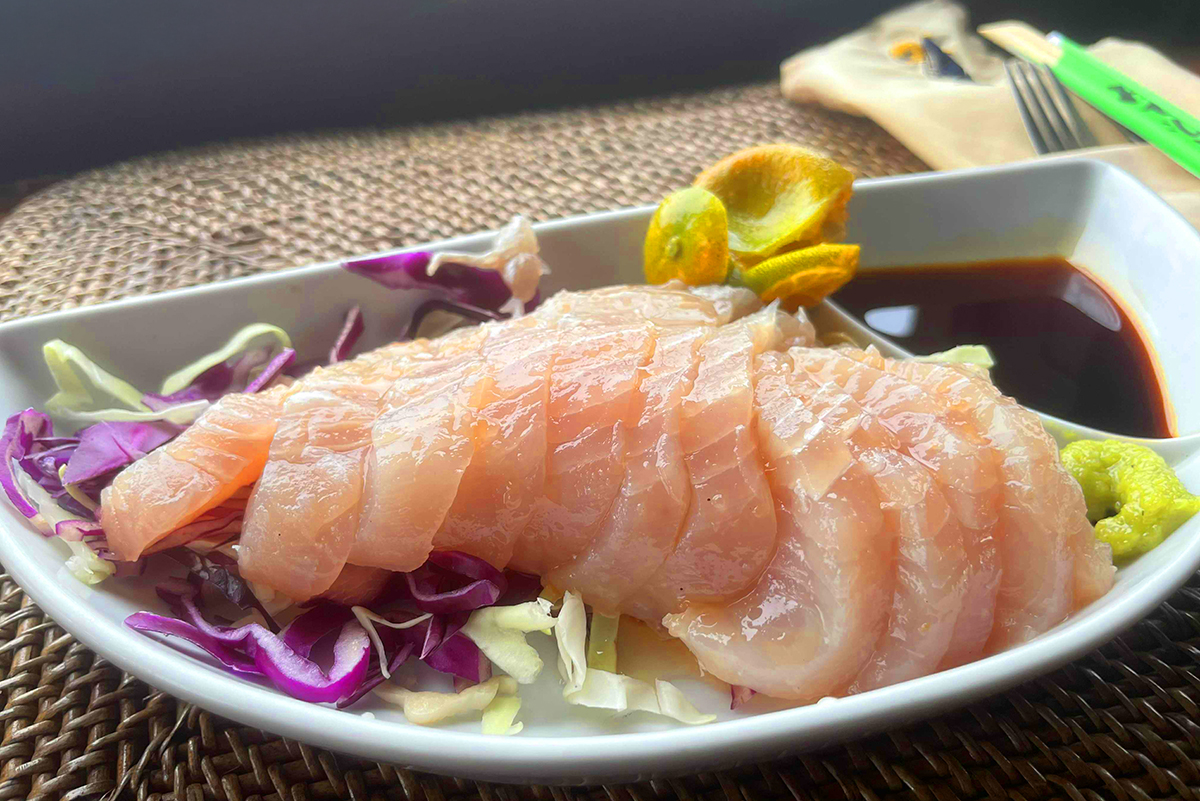
October 15-16, 2025 Marti Eicholz Micronesia stands out as the location of the world’s only ancient city constructed atop a coral reef. The remarkable UNESCO World Heritage site, Nan Madol, consists of more than one hundred small islets off the southeast coast of Pohnpei. Dating back to between 1200 and 1500 CE, Nan Madol is truly unique in its coral reef foundation, setting it apart from any other ancient site across the globe. The name Nan Madol translates to “within the intervals,” a reference to the intricate network of canals weaving through the ruins. Historically, it was also known as the “Reef of Heaven,” as documented by Gene Ashby in his book, Pohnpei, An Island Argosy. The site has earned the nickname “the eighth wonder of the world” and is often referred to as the “Venice of the Pacific” due to its mesmerizing layout and waterways. Micronesia’s strategic location in the Pacific made it highly coveted for military installations and nuclear testing, especially during the twentieth century. In 1946, the same year the iconic French bathing suit made its debut, the United States detonated atomic bombs over Bikini and Enewetak atolls located in the Marshall Islands, marking a significant chapter in the region’s history. The Federated States of Micronesia, commonly called Micronesia, is an independent republic in free association with the United States. It is made up of four states—Yap, Chuuk, Pohnpei, and Kosrae—stretching across the Western Pacific Ocean. Collectively, these states include approximately 607 islands, each with their own identity and charm. Traditional Micronesian culture is deeply rooted in the principle of societal and cultural stability. When faced with natural disasters such as cyclones or droughts, the prevailing goal among communities is to restore conditions to how they were before the disruption, reflecting a resilient and adaptive mindset. Religious life in Micronesia is predominantly Christian, with government estimates revealing that around 99 percent of the population identifies as Christian. Protestant denominations and the Roman Catholic Church have a presence throughout all four states, shaping the spiritual landscape of the islands. Micronesia itself is a vast region within Oceania, encompassing about 2,100 islands. Together, these islands have a total land area of just 1,000 square miles, while the largest individual island, Guam, covers 225 square miles. In contrast, the surrounding ocean area is immense, totaling approximately 2,900,000 square miles, illustrating the islands’ scattered, oceanic nature. Although often grouped together geographically, each Micronesian island group boasts its own distinct culture, languages, and traditions. Their colonial histories vary, with influences from Spain, Germany, the United States, Great Britain, and Japan. Today, the islands are renowned for their exceptional wreck diving sites, where adventurers can witness remnants of World War II history amid vibrant marine ecosystems. Micronesian cuisine is traditionally based on local staples such as coconut, taro, yams, breadfruit, bananas, and citrus fruits. The primary source of meat is fish and seafood, reflecting the islands’ oceanic environment, while pork is enjoyed on special occasions. Chicken also features in celebratory meals, highlighting the diversity and adaptability of Micronesian food traditions. Colonia, the vibrant capital of Yap State, is nestled on the eastern coastline of Yap Island, situated in the western Pacific Ocean and forming part of the Federated States of Micronesia. The Yap islands are classified as high islands, which means they are primarily composed of ancient volcanic rock. These islands are encircled by fringing reefs—a type of coral reef that develops directly from the shore and extends outwards, creating natural barriers along coastlines and around the islands themselves. Over time, as a volcanic island gradually sinks below sea level, the fringing reef can continue to grow upwards, eventually forming an atoll, which is a ring-shaped coral formation surrounding a lagoon. Yap’s landscape is marked by rugged, forested hills that provide a dramatic backdrop to the island’s tropical climate. The area experiences high humidity and benefits from the steady presence of trade winds, which, along with frequent rainfall, foster lush vegetation and contribute to the region’s occasional typhoons. Colonia, though just a part of Yap State, plays a central role in the life of its approximately 12,000 residents. The town serves not only as an administrative hub but also as a focal point for cultural activities and community gatherings. Colonia is more than just the administrative heart of Yap; it is the gateway to a remarkable journey across Micronesia. Here, you witness the harmonious blend of enduring ancient traditions and the subtle influences of modern life. The town’s scenic coastal location attracts travelers eager to experience authentic island culture and embark on unique adventures. From time-honored maritime customs and significant archaeological sites to bustling local markets, Colonia offers a rich tapestry of experiences. Every street corner and historic building is steeped in stories, inviting exploration and discovery at every turn. For those seeking to immerse themselves in local heritage, Colonia provides a variety of opportunities. Everyone can take part in traditional ceremonies, explore walking trails that weave through sites of historical significance, and join hands-on craft workshops to learn about the island’s seafaring ancestry. The town’s lively atmosphere is further enhanced by regular community events, making it a living testament to Yap’s deep-rooted history and evolving present. In Colonia, the past and present intertwine offering an unforgettable glimpse into the enchanting lifestyle of the islands. Colonia stands as a unique destination that beautifully illustrates both the rich history and vibrant contemporary life of Yap. As the cultural heart of the island, it serves as a hub for cherished local traditions and spirited community gatherings. The town is renowned for its historic architecture and time-honored customs, inviting us to immerse ourselves in traditional practices and discover the fascinating seafaring heritage that shaped the island’s identity over generations. With informative displays, scenic walking trails weaving through significant historic landmarks, and hands-on craft workshops, Colonia offers an authentic opportunity to deeply engage with local culture and gain a meaningful understanding of its singular past. Embark on an underwater adventure in Colonia’s inviting, crystal-clear seas, ideal for snorkeling enthusiasts and divers of all levels. The vibrant marine environment is home to an array of colorful coral formations and exotic fish species, providing a captivating underwater spectacle. Guided by experienced local experts, tours lead you to the best spots for discovering the region’s aquatic wonders. This immersive activity allows you to observe Micronesia’s diverse marine ecosystems up close, fostering a deeper connection with nature and leaving you with lasting memories that highlight the area’s cultural legacy through its thriving underwater world. For those who love the outdoors, set off on a memorable trek along the Pohnpei Loop, an extensive trail spanning over thirty miles and featuring breathtaking vistas and diverse landscapes near Colonia. The route is perfect for explorers eager to soak in the beauty of natural surroundings and encounter a rich variety of plant and animal life. Along the path, you come across important historical sites and cultural landmarks that provide valuable insights into the region’s storied heritage. This journey blends physical adventure with cultural discovery, making it a rewarding experience for hikers and history buffs alike. No visit to Colonia would be complete without exploring Nan Madol, a remarkable UNESCO World Heritage Site located nearby. Once the ceremonial and political heart of ancient societies, Nan Madol consists of a complex network of artificial islands connected by serene canals. The impressive stone ruins showcase exceptional craftsmanship and ingenuity, serving as a testament to the resourcefulness of early settlers. Wandering among these historic remains, you gain a deeper appreciation for ancient cultural practices and social organization, making Nan Madol a must-see for anyone interested in history and archaeology. From sunrise hikes to lively cultural festivals, the wealth of experiences available in and around Colonia guarantees an unforgettable visit. Each activity, whether exploring nature or delving into tradition, offers a unique perspective on the area’s enduring charm and makes our visit memorable. Bukhansan National Park, meanwhile, is a true haven for nature enthusiasts. Its network of hiking trails presents both challenge and reward, with sweeping panoramic views awaiting those who reach the peaks. The park’s landscape seamlessly blends rugged mountains, verdant forests, and centuries-old temples, creating a journey that is as spiritually uplifting as it is visually stunning. Whether you’re scaling rocky cliffs, marveling at ancient architecture, or simply soaking in the tranquil atmosphere, Bukhansan promises an adventure that will linger in your memory. We leave Colonia (Yap), Micronesia, appreciating the natural beauty and cultural richness and a knowingness that our time here has been filled with discovery and inspiration. |
|
Copyright © 2025 All rights reserved |