|
|
 |
 |
 |
 |
 |
 |
 |
 |
 |
 |
 |
 |
 |
 |
 |
 |
 |
 |
 |
 |
 |
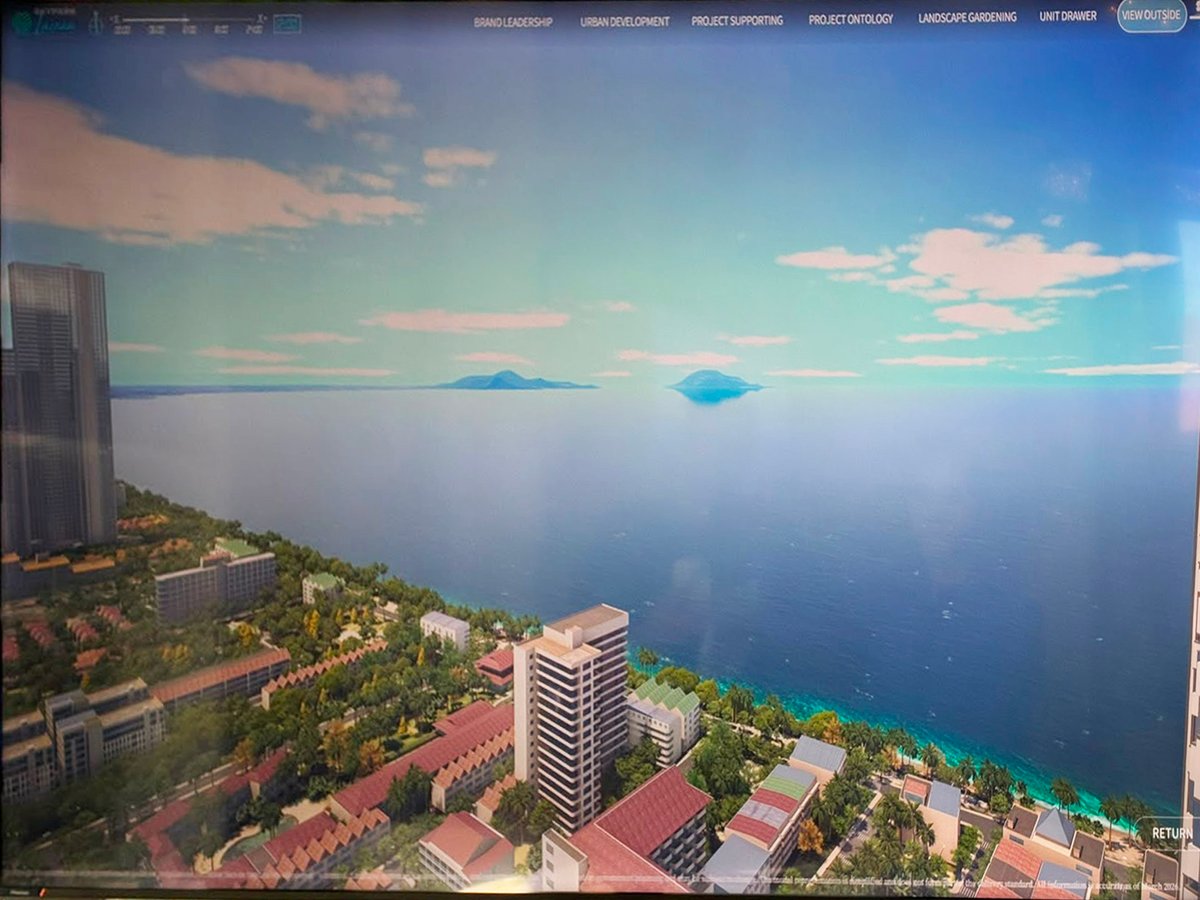 |
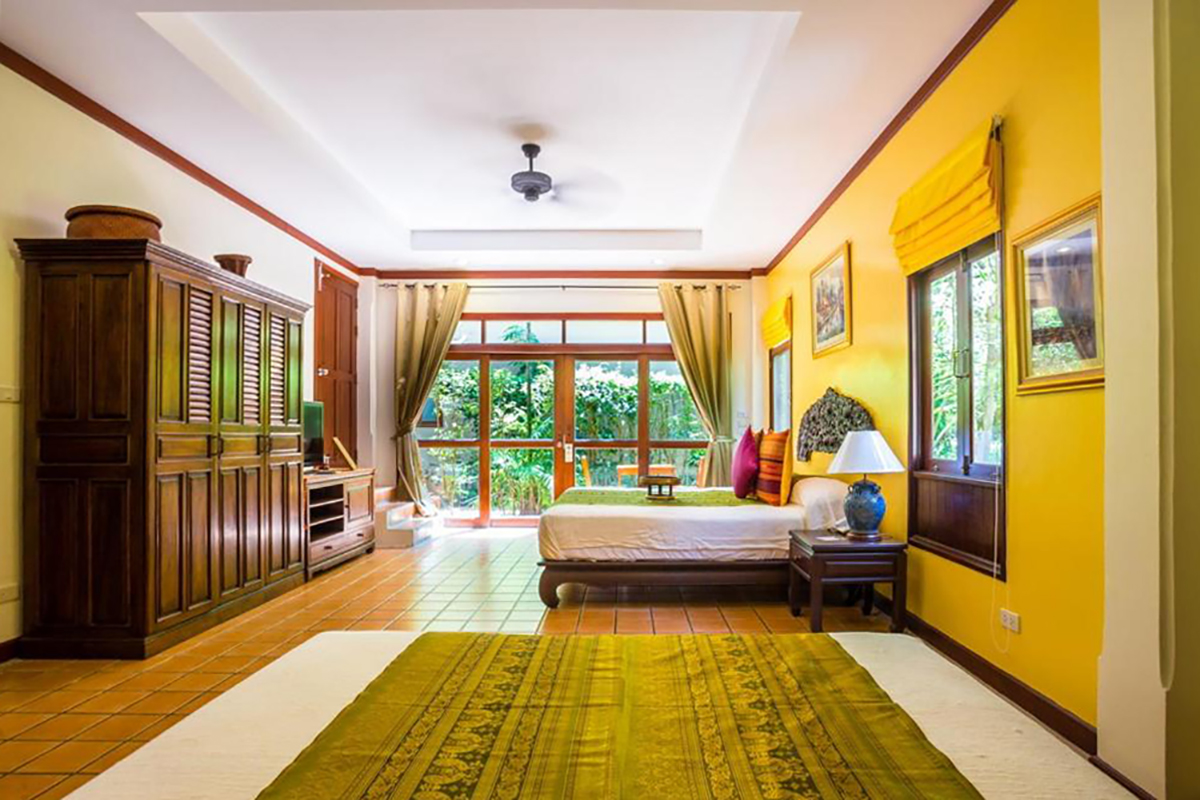
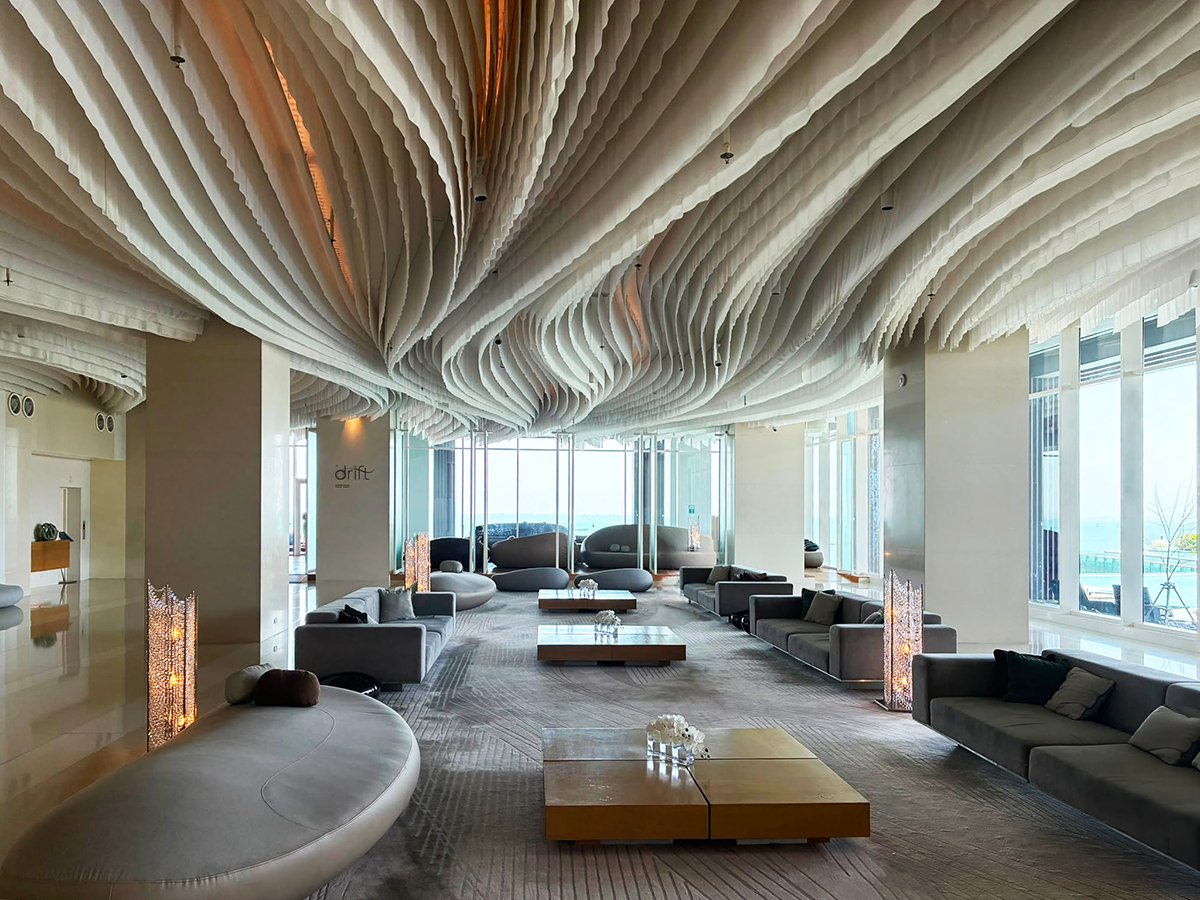
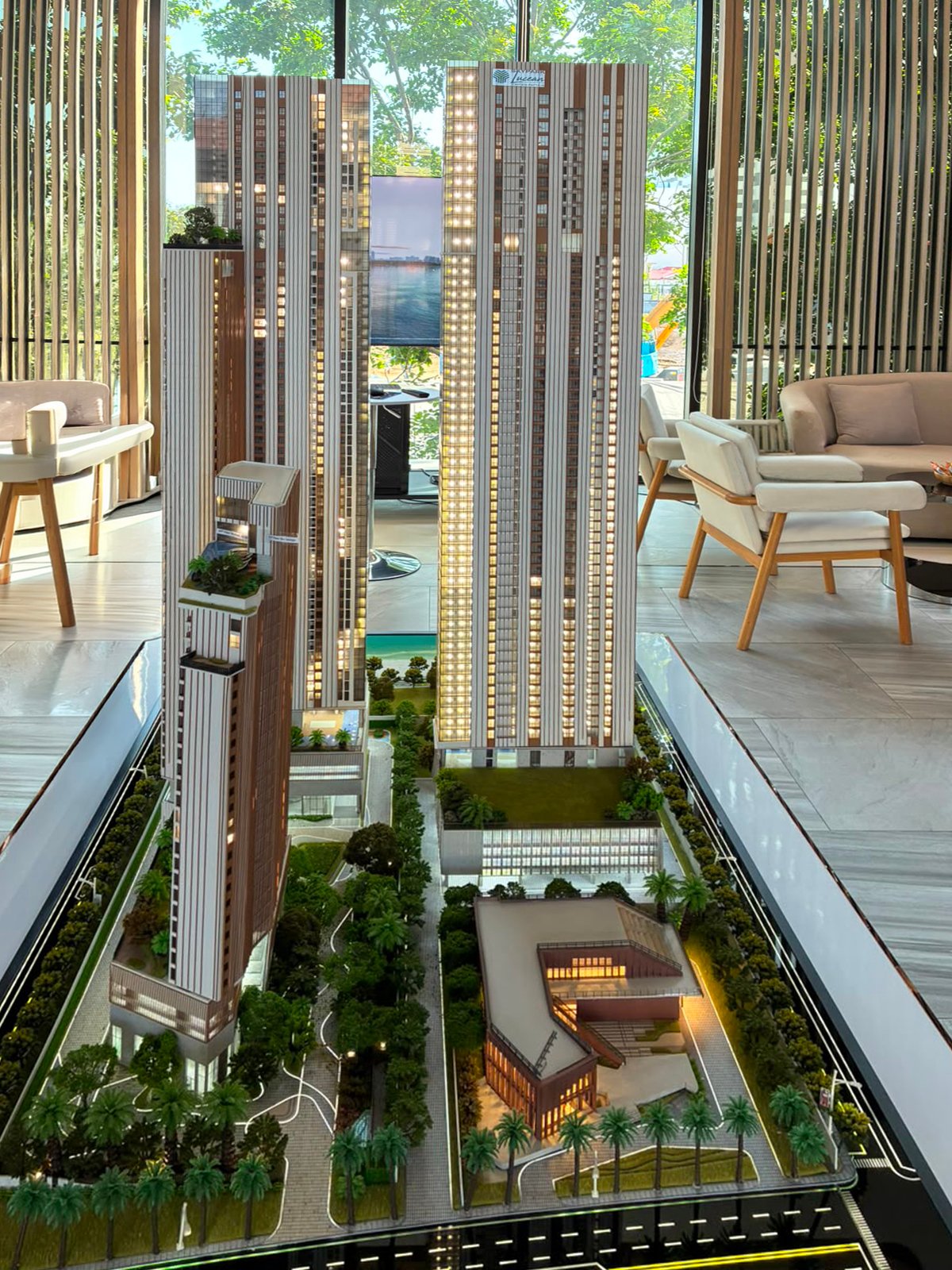
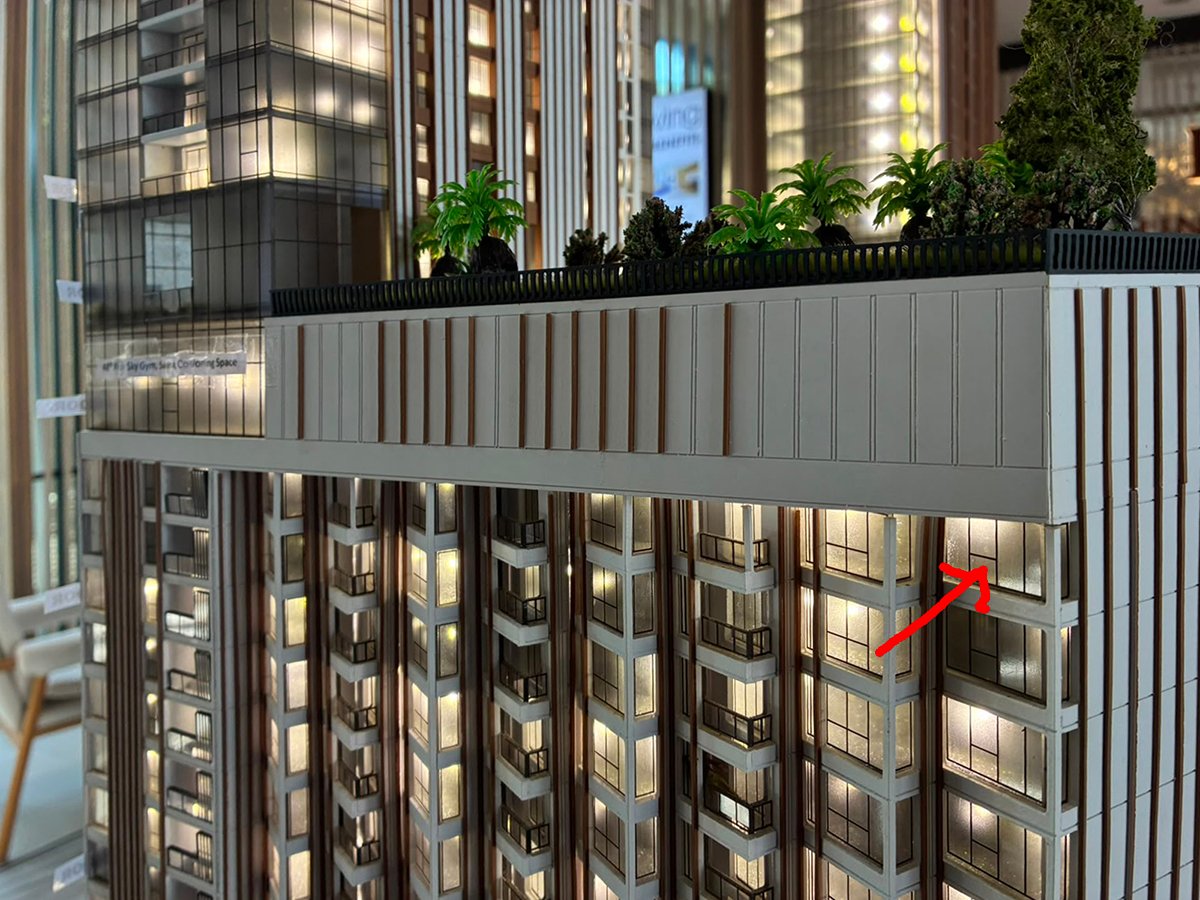
| AM's apartment at Banyan Skypark, Jomtien Thailand - 45th floor |
|
July 16–20, 2026 Marti Eicholz Before Pattaya became a place on the map, it arrived as an atmosphere: salt in the air, heat rising from the coast, the road bending toward the Gulf. I had expected brightness, noise, and hurry. Instead, the city revealed itself gradually, not as spectacle, but as a quieter world of devotion, labor, shade, and evening water. From the harbor, the day seemed to lean toward the coast before I did, drawing me out from the ship and into a landscape where the obvious Pattaya slowly gave way to the hidden one. Toward Pattaya — The Hidden Gems The road south moved through soft gradations of green and gold, carrying me toward Pattaya with the unhurried grace of a tide coming in. Heat shimmered above the asphalt. Beyond the roadside trees, the city appeared in glimpses: a pale flash of shoreline, a temple spire lifting briefly into view, streets waking beneath the sun. What first seemed familiar began, slowly, to disclose another self, quieter, older, more tender. Beyond the bright beachfront and the easy noise of holiday life, Pattaya keeps its hidden places close: carved sanctuaries, tidal villages, inland gardens, and small human rituals that glow most clearly when one learns to look slowly. The Sanctuary of Truth The Sanctuary of Truth is the place that rises first in memory: a myth carved from teak, its spires reaching toward the sky with the delicacy of prayer and the grandeur of an old dream. At the edge of Pattaya’s restless sea, it seemed less constructed than summoned, every beam and spire shaped by hands reaching toward something larger than the self. The first sensation was reverent overwhelm: intricacy made monumental. Across walls, pillars, and soaring eaves, entire cosmologies unfolded, celestial dancers with lifted wrists, meditating sages, mythic guardians, gods whose hands seemed to hold both blessing and warning. Inside, amber shafts of light slid through the high spaces and settled on the wooden deities like warm honey, blessing them anew. The teak, warm and time-darkened, carried a faint fragrance of resin, sawdust, incense, and years. In certain corners it appeared almost lit from within, as though the wood itself had been keeping embered stories. When my fingertips brushed the railing, the grain felt alive beneath them, ridged and patient, like weathered skin. I found myself walking slowly, not because there was little to see, but because there was too much to receive at once. The place asked slowness of me. It was not sightseeing so much as a gentle initiation into Pattaya’s quieter soul. With each step, the carvings altered in the changing light, revealing new faces, new symbols, new whispers tucked into shadow. Here, stillness had texture. Silence had grain. The building was never truly silent. Mallets tapped somewhere in the shadows; gulls cried beyond the open arches; the sea kept breathing against the rocks below. It seemed to converse with wind, wood, and water, and with anyone willing to linger long enough to listen. Though it resembles a temple, it belongs to no single faith. It gathers philosophies the way a shoreline gathers driftwood, Buddhism, Hinduism, Taoism, ancient Khmer cosmology, and binds them into one towering meditation on human longing. It is a sanctuary for questions, not answers. For seeking, not certainty. I felt this in the way the carved figures seemed to lean toward me, asking without words what I believed, what I feared, and what I still hoped might be true. Perhaps what moved me most was that the sanctuary is not finished. It is still being carved, still being dreamed into existence, still trusting that beauty can remain open to revision. When I left, I carried something quiet with me: the sense of having stepped inside a story still being made, a prayer of timber offered to the sea. The Fishing Villages From there, Pattaya loosened its pace. Along quieter reaches of the coast, fishing enclaves appeared almost shyly, as though the sea itself had shaped them from salt, timber, rusted tin, and memory. They did not announce themselves. They breathed, slowly, brinily, with the old lungs of tide and work. The sky held a wash of silver-blue, and the long-tailed boats, weather-softened, painted in reds and blues that had faded into poetry, rocked in the tide like resting birds. Nets hung from wooden posts, catching light in their knots and threads. The air lay thick with salt, sun-warmed wood, a whisper of diesel, grilled fish blistering over coals, seaweed, and the faint sweetness of drying fish. Somewhere a pan hissed. Somewhere rope creaked against a post. It was not the perfume of postcards; it was the fragrance of a life lived close to the elements, honest and unadorned. Children ran along narrow walkways, their laughter skipping across the water like thrown shells. Cats threaded themselves between crates and coils of rope. A woman sat beside a basin, cleaning small silver fish with the deft, practiced grace of someone who had known this gesture since childhood; scales clung to her fingers like tiny mirrors. Old fishermen nodded as I passed, their greetings small but full of story. By afternoon, the village warmed into a drowsy radiance. Sunlight flashed from metal hooks. The tide retreated with a soft sucking sound, exposing small patches of sand where crabs scuttled like hurried thoughts. Houses on stilts, painted in gentle pastels, hovered above the shallows, their reflections trembling in the water like half-remembered dreams. As the light lowered, the villages became luminous. Lanterns bloomed along the walkways, casting amber halos over wood and water. Boats returned one by one, their hulls darkened by the day’s labor, their nets heavy with the sea’s offerings. Voices rose, low and familiar, mingling with the hush of waves folding against the shore. It is a world of small rituals: a shared meal, a repaired net, a story told in the dim light, a quiet prayer offered to the water. In these hidden corners of Pattaya, life feels both fragile and enduring, a tapestry woven from salt, wind, wood, labor, and human persistence. I walked through it slowly, feeling the sea’s breath on my skin, sensing the quiet dignity of those who have learned to live by its moods. I understood then that these villages were not merely places to pass through. They were living poems, written in tide marks and repaired nets, in driftwood, lantern smoke, and the evening wind. Inland Light Later, the road bent inland toward Khao Chi Chan, where the golden Buddha is etched into the mountain’s face like a celestial signature. The sun caught the gold lines and turned them into radiant script against the stone; heat rose from the pavement in wavering veils, and the air smelled faintly of dust, grass, and sunbaked earth. Standing before it, I felt the mountain hold its breath. Cicadas pulsed in the scrub. A breeze moved over the grass and touched the sweat at the back of my neck. The Buddha’s outline glowed with a stillness that seemed to ask nothing, offer nothing, and yet steady everything. Not far away, Nong Nooch unfolded in a different language altogether: green, fragrant, cultivated, alive. Paths curved through palms and orchids, through damp shade and sudden brightness. The air was lush with leaf-breath, wet soil, and the sweet breath of flowers opening in the heat. Orchids leaned in delicate arcs, shifting from sunrise pink to twilight violet. Their petals looked almost cool to the touch, thin as breath. Topiary elephants stood mid-stride in a silent procession. The orchid terraces rose in cascades of color, each level a different mood, each bloom another stanza in the day’s unfolding poem. Beside a koi pond, I paused in the shade and watched fish move through brass-colored water like strokes of living paint. The garden did not rush me. It simply held the day open a little longer, reminding me that beauty can be both cultivated and wild, both designed and breathed into being. Jomtien at Dusk By the time I reached Jomtien, the day had softened into dusk. The waves rolled in with a slower rhythm, dragging lace-edged foam over the sand. The shoreline glimmered with small lights, and figures moved along the water’s edge, half silhouette, half memory, their voices thinning into the salt-dark air. I walked barefoot, letting the warm water close around my ankles and then slip away. The sand held the day’s heat; tiny shells pressed briefly into my soles. The city hummed behind me, but here the night was tender, almost contemplative. Pattaya, so often imagined in brightness and noise, offered instead this quieter mercy: the sea at dusk, the hush of returning waves, the feeling of being allowed to leave slowly. I carried these impressions with me on the road back toward Laem Chabang. Evening gathered in the roadside palms, and the air through the window held the damp sweetness of the sea, the faint smoke of cooking fires, the metallic tang of harbor light beginning to rise. The Odyssey waited there in the late glow, luminous and composed, her decks brushed with gold. She looked less like a ship than a promise of rest, a vessel ready to gather the day’s discoveries and carry them, gently, into the next horizon. Only later, as the road blurred into bands of amber light and shadow and the windows held the last bruised colors of evening, did I understand what Pattaya had given me. Not spectacle. Not the easy glitter promised by travel brochures. It had given me slowness: the feel of teak grain beneath my hand, the brine of tidewater on my skin, the hush that comes when a place stops performing and simply allows itself to be known. I thought of the Sanctuary of Truth, still unfinished, still being carved into being, and I felt a tenderness I could not quite name. Perhaps it was recognition. Perhaps all of us are unfinished sanctuaries in one way or another, held together by memory, weather, longing, and the patient work of becoming. There was comfort in that thought: that beauty need not be complete to be worthy of reverence; that a life, like a temple, may remain open to revision and still be sacred. I thought, too, of the fishing villages and their humble eloquence: nets drying in the sun, hands moving through silver fish, boats returning with the fatigue and dignity of labor. Nothing there seemed arranged for my admiration, and because of that, it moved me more deeply. It reminded me that the most enduring places are often those that continue without ceremony. As the Odyssey came back into view, softly lit against the harbor, I felt the ache travel sometimes leaves behind: the ache of having briefly entered another rhythm and knowing I could not stay inside it. Yet the day had already crossed some quiet threshold in me. The carved timber, the lantern smoke caught in my clothes, the salt-thick air on my lips, the low slap of water against weathered posts, all of it remained, not as souvenirs, but as small inward alterations. That evening, I did not feel as though I had merely visited Pattaya. I felt as though I had been briefly entrusted with its quieter self: the prayer of carved wood, the dignity of returning boats, the flower-sweet breath of gardens, the blue hush of Jomtien folding into night. And in that soft interval between land and sea, between return and departure, I understood that some journeys do not announce their importance while we are living them. They wait beneath the noise of memory. They settle into the body. They continue their patient work within us long after the shore has disappeared from sight. |
|
Copyright © 2026 All rights reserved |