|
|
 |
 |
 |
 |
 |
 |
 |
 |
 |
 |
 |
 |
 |
 |
 |
 |
 |
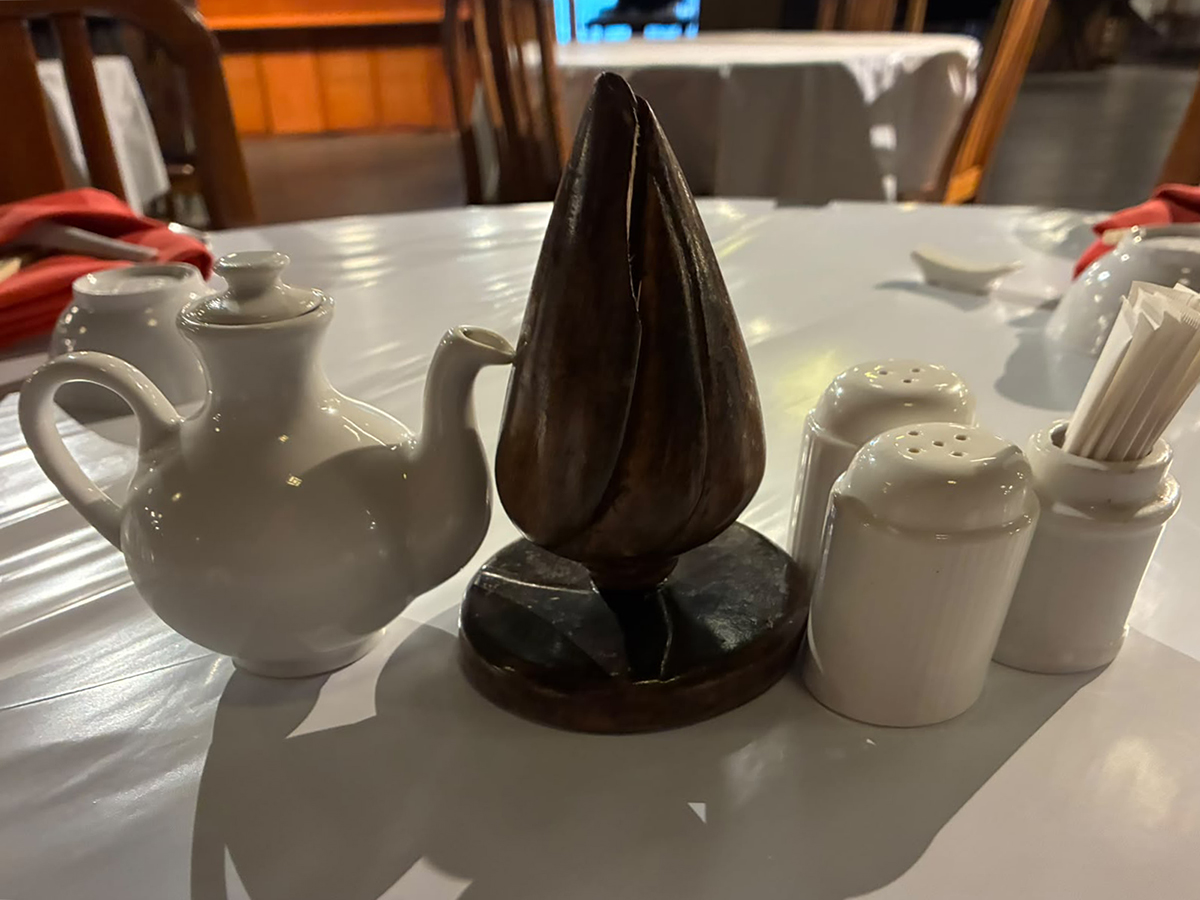 |
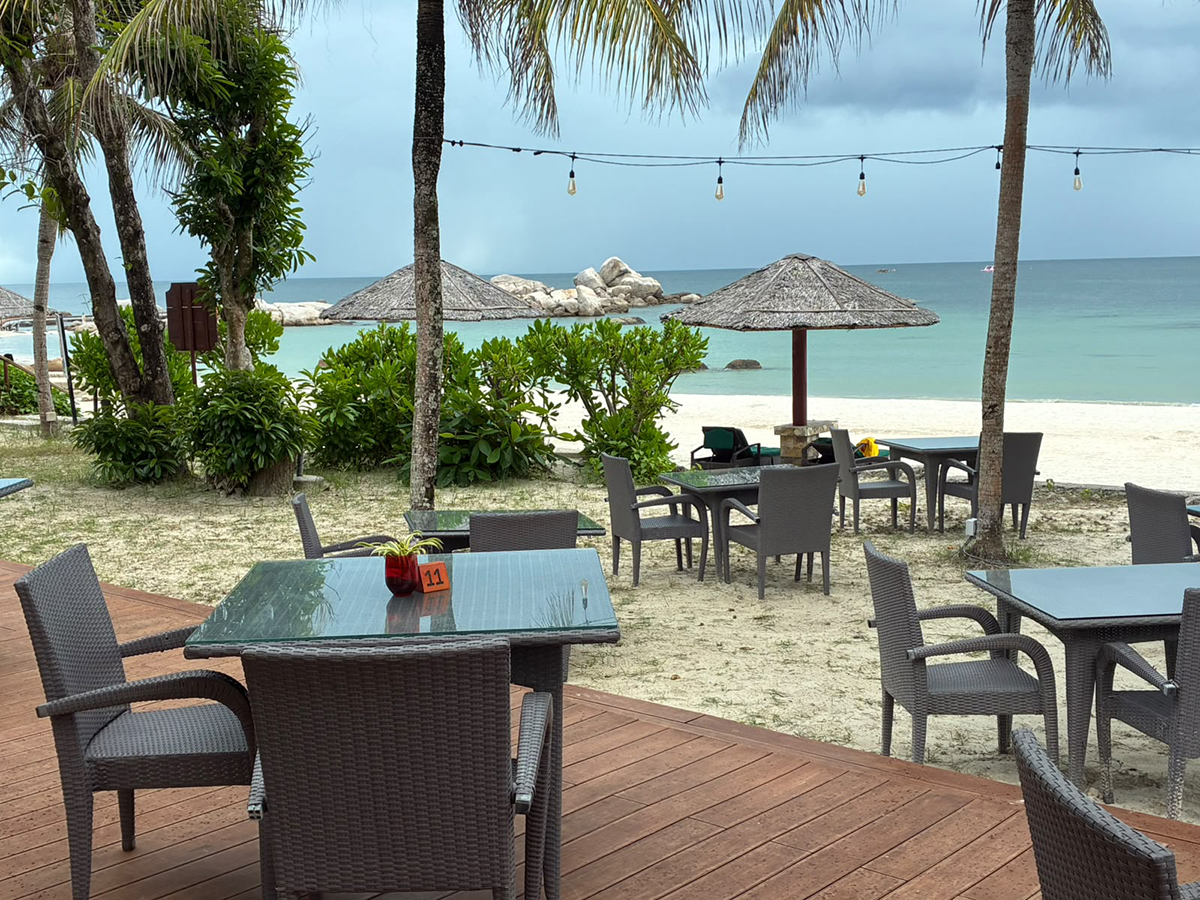
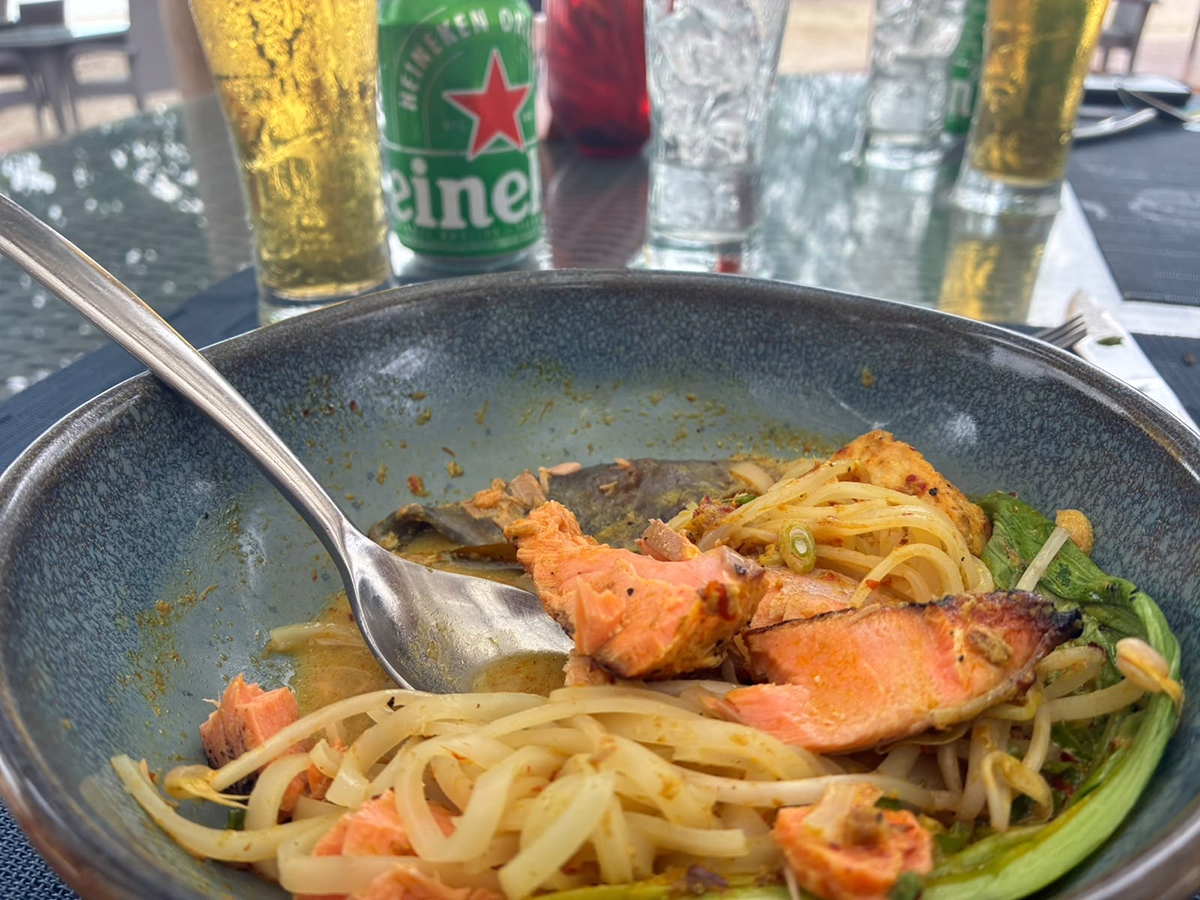
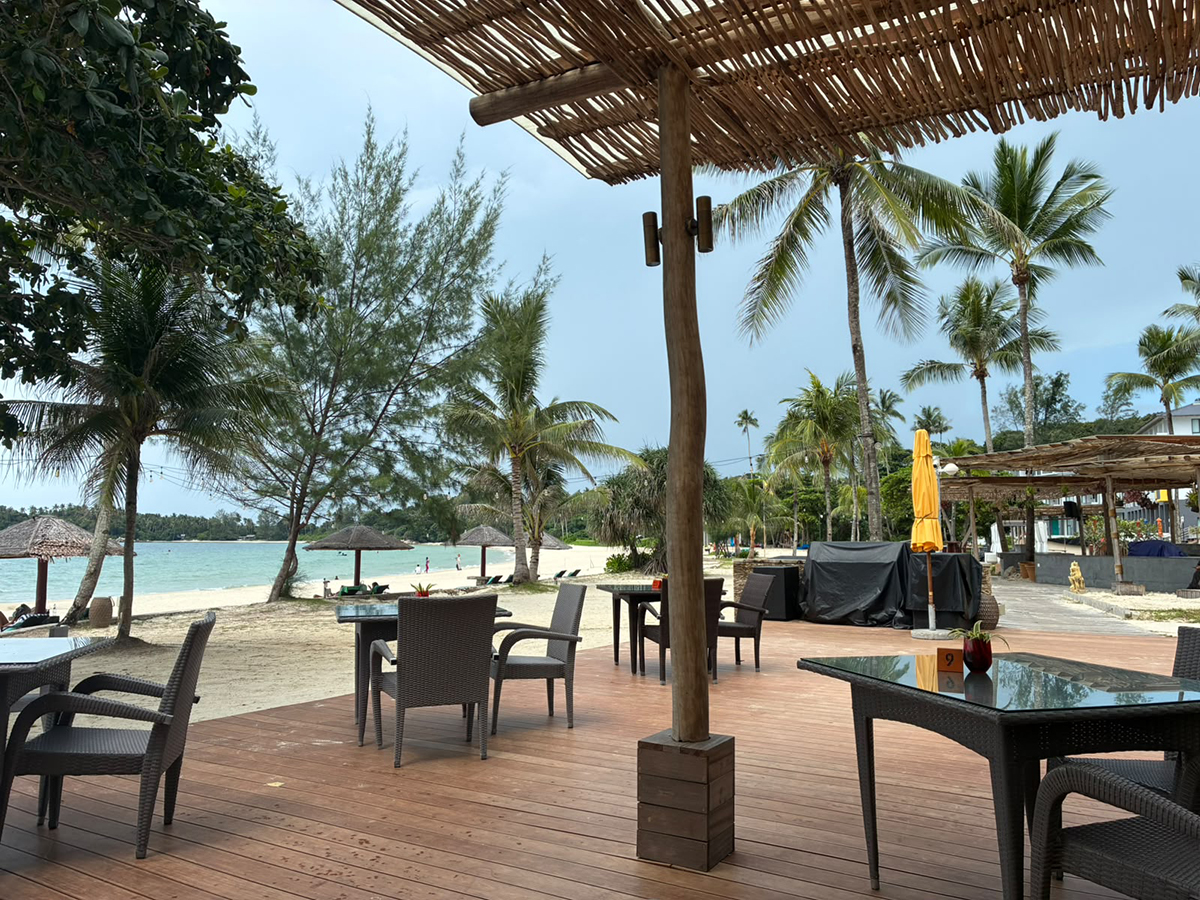
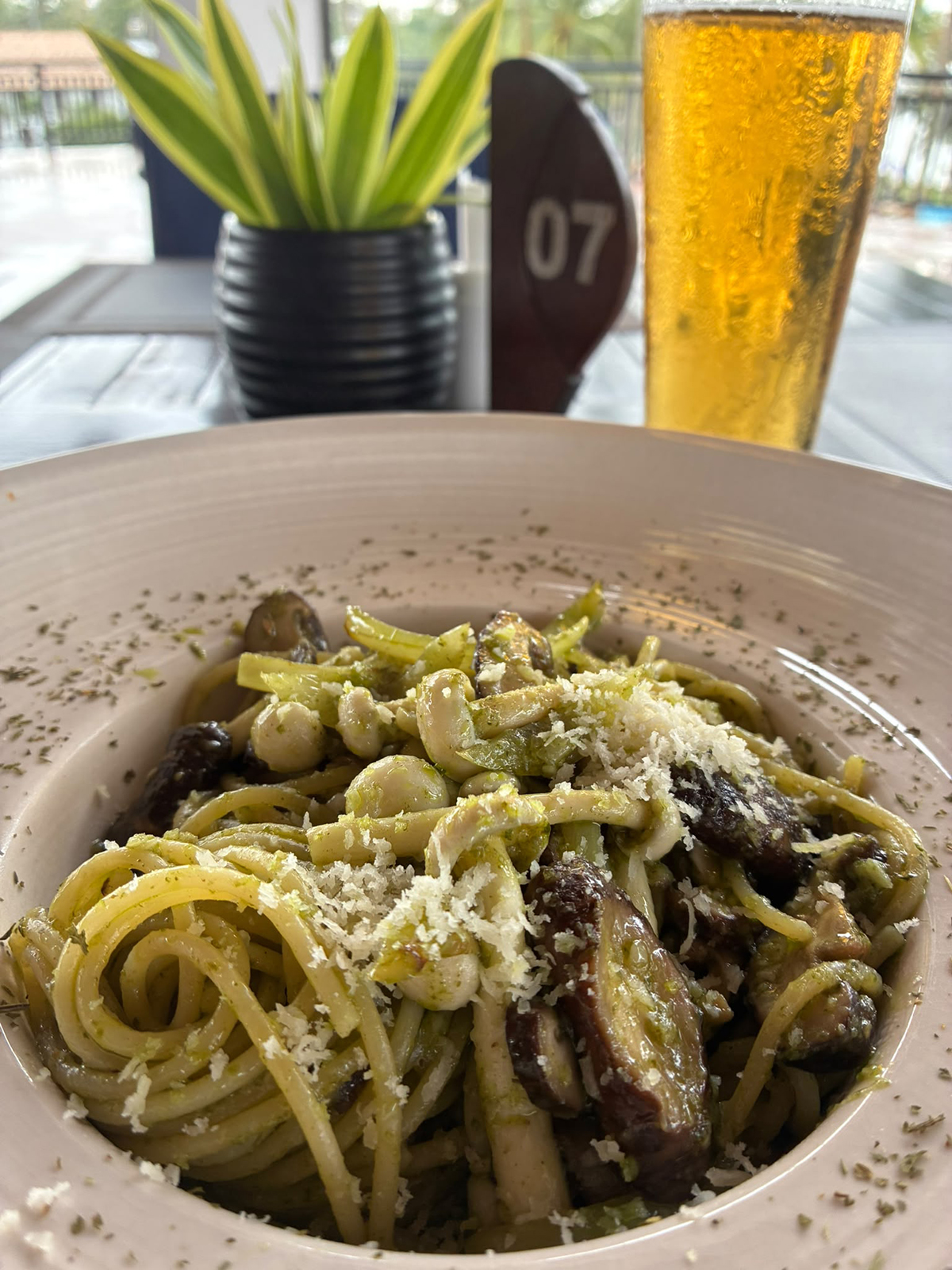
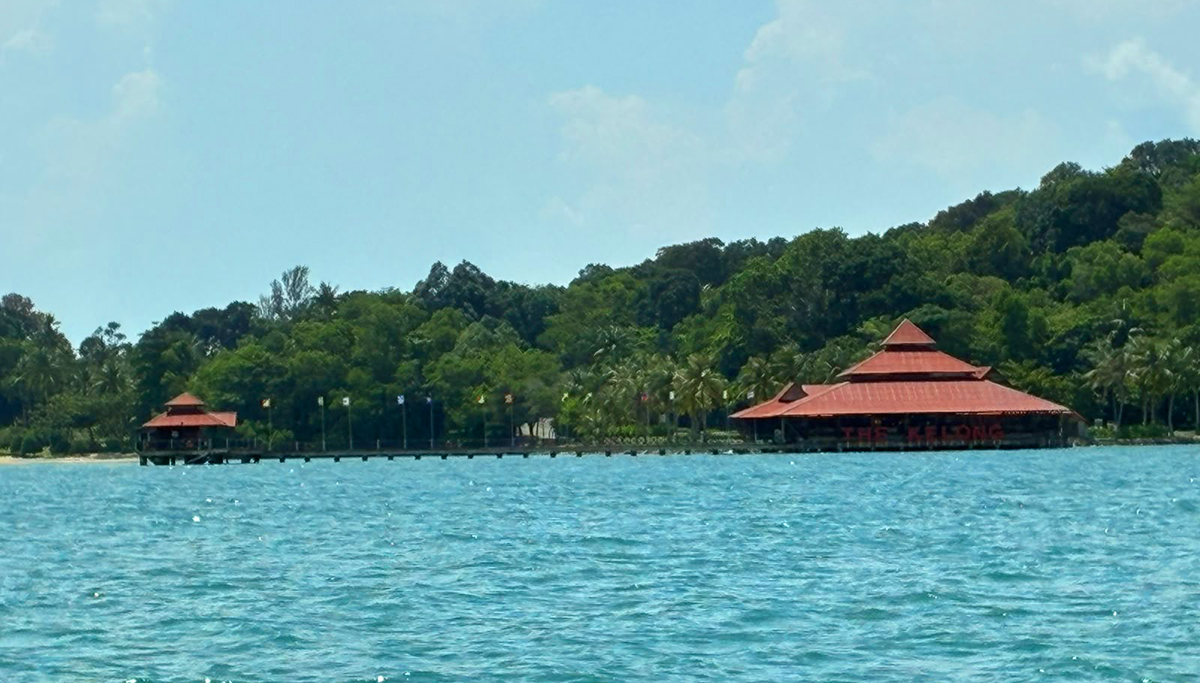
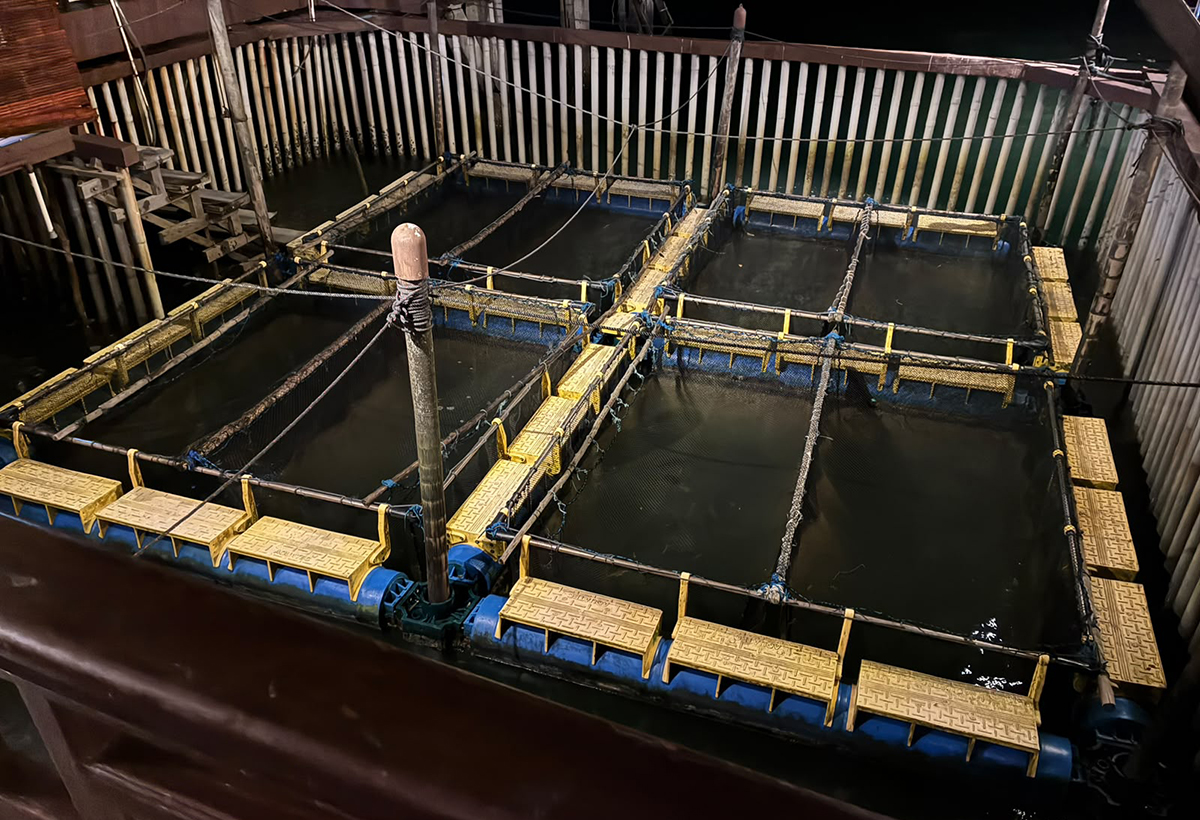
| Why does The Kelong Restaurant have a butt plug on each table? |
|
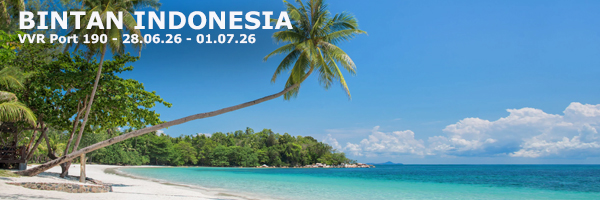
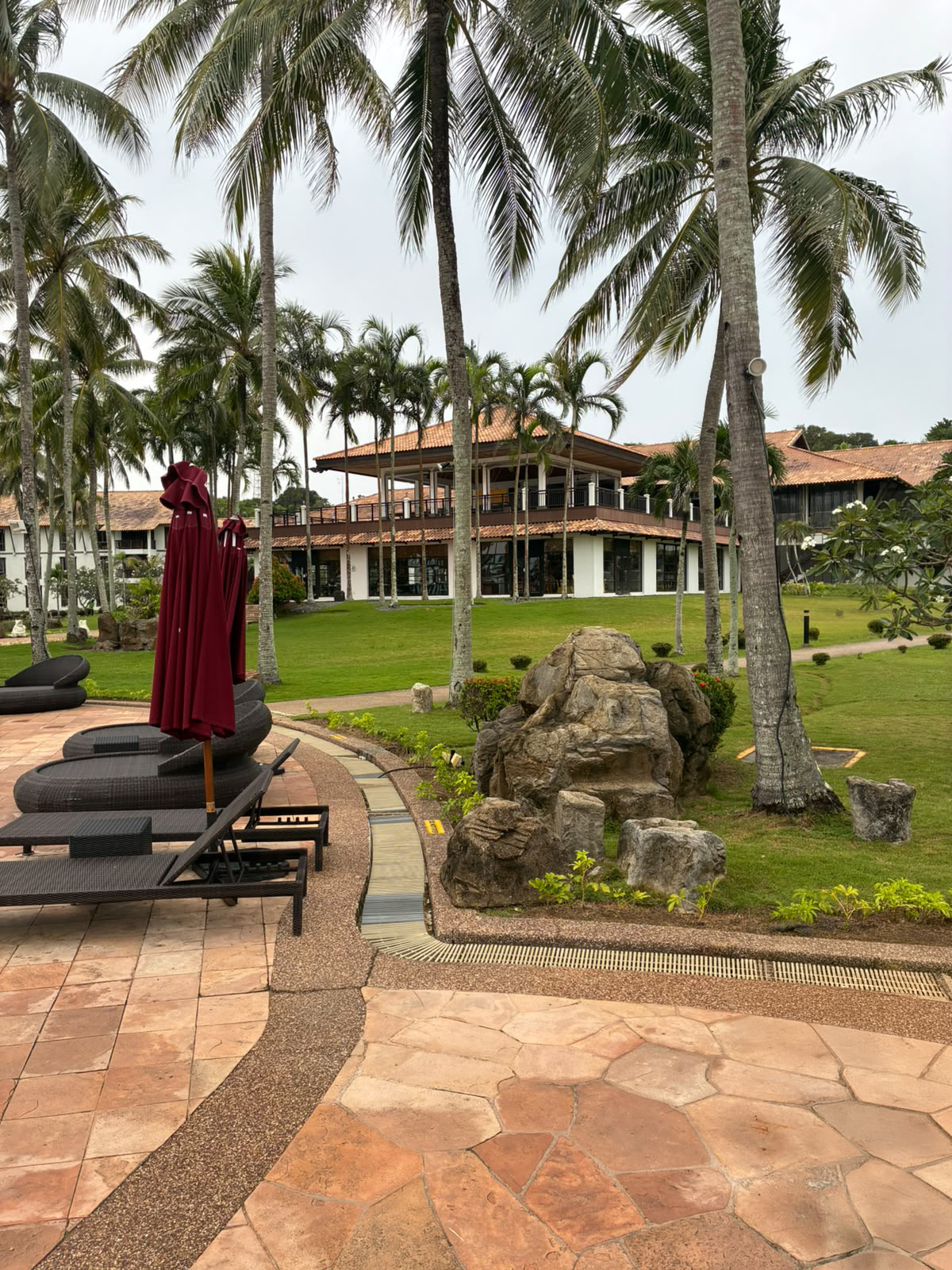
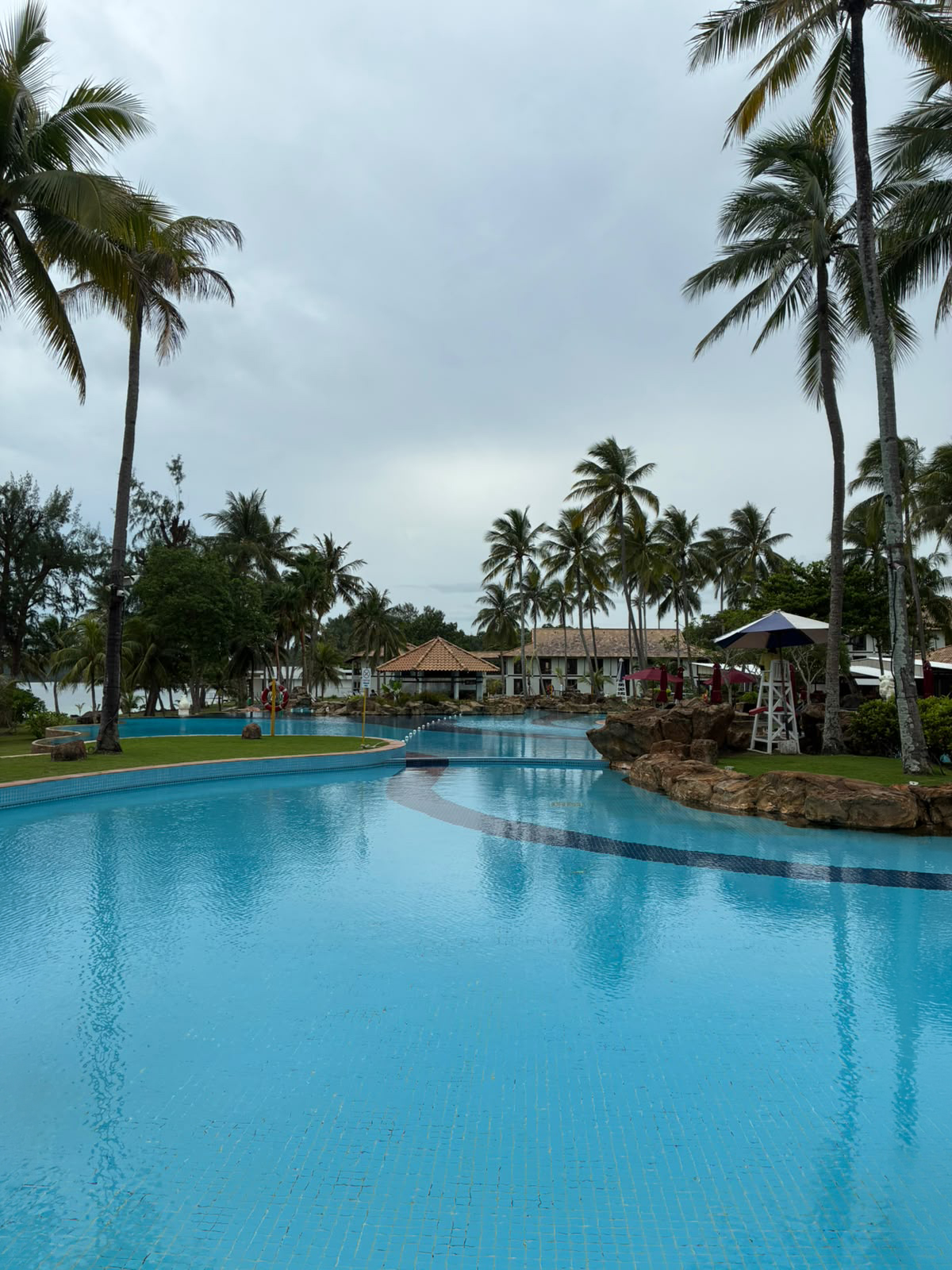
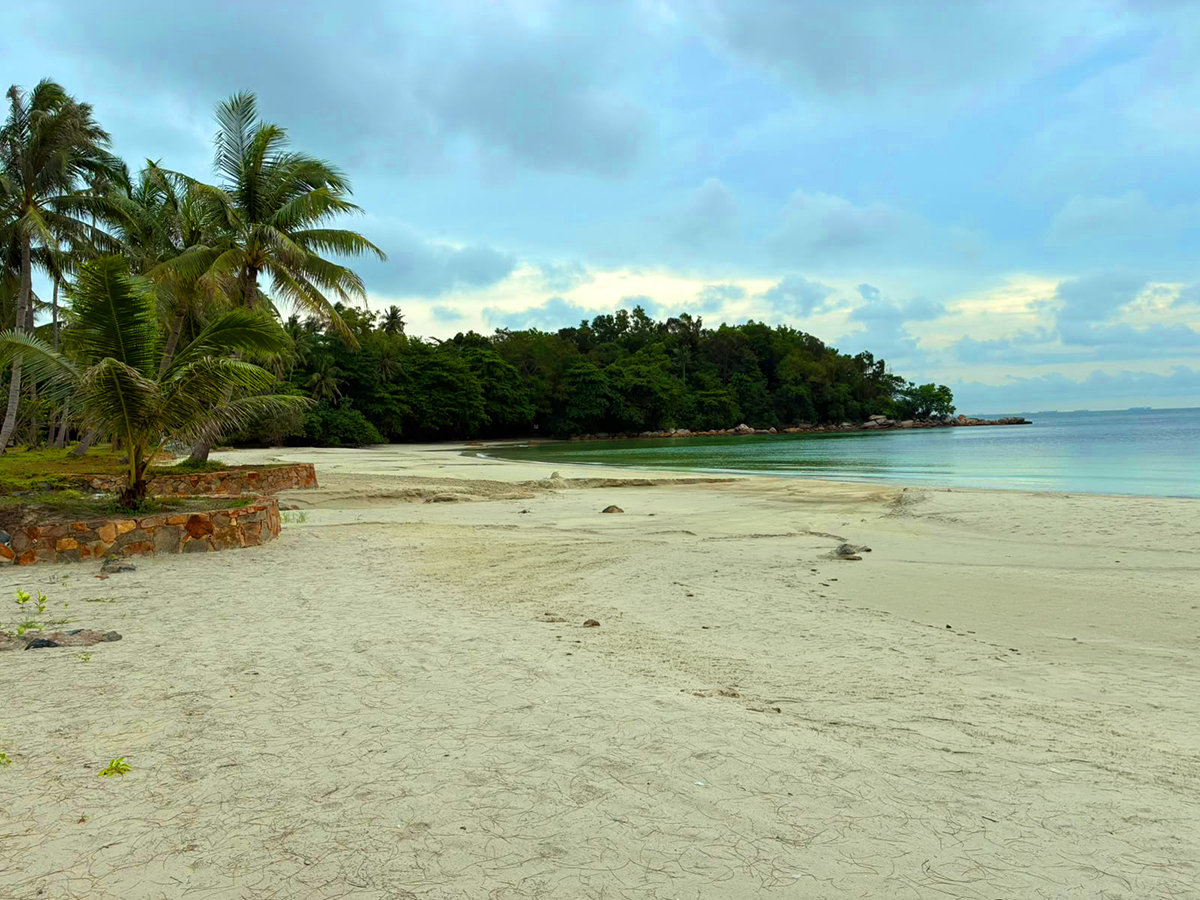
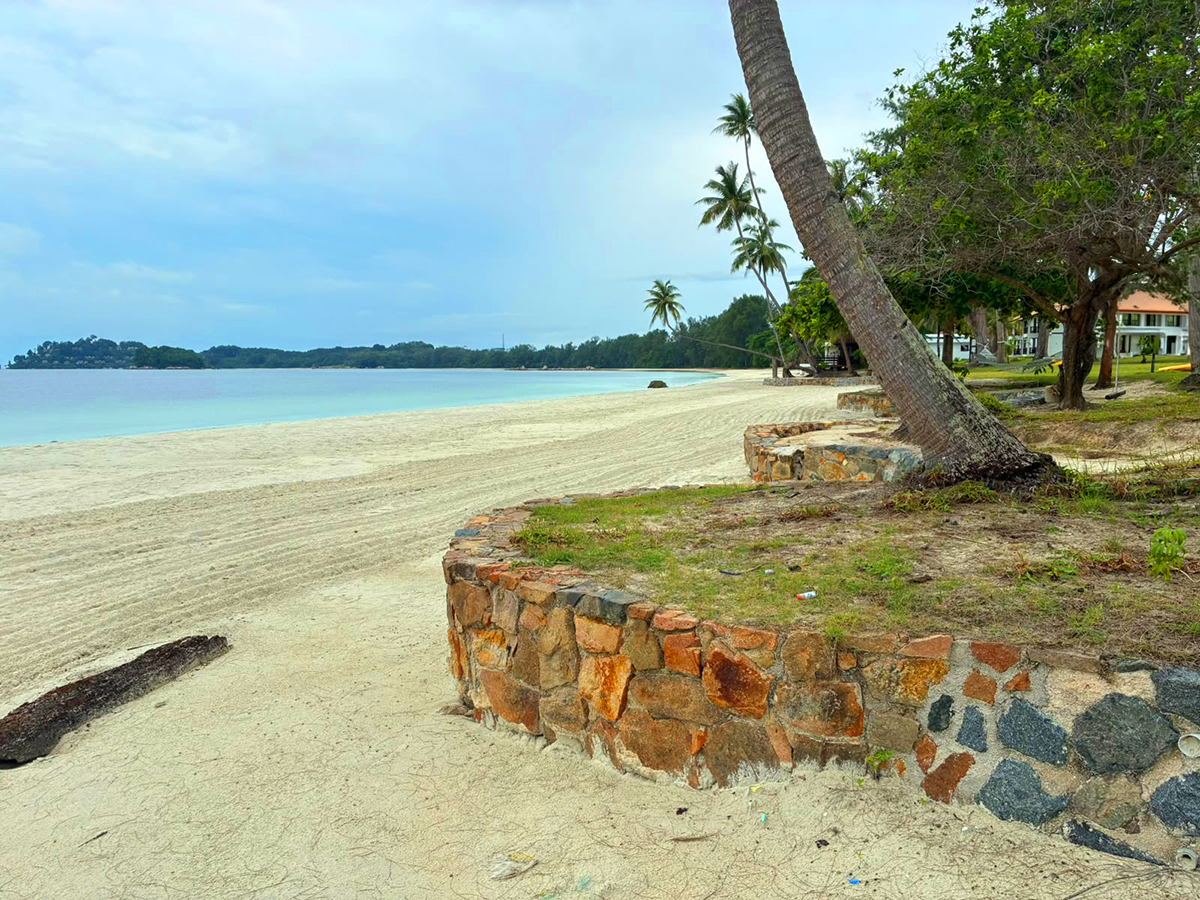
June 28 – July 1, 2026 Marti Eicholz Bintan: After Anambas, the Green Doorway of the Riau Islands After four days among the far-flung blues of the Anambas Islands—Tarempa, Letung, and those quiet names that seem less like destinations than sea-spells, the Odyssey turns westward and gives herself over to two days of open water. There is a peculiar luxury in such intervals: no port, no schedule, only the long breathing of the South China Sea, the horizon loosening its silver ribbon each morning, the evenings folding down in rose and pewter. By the time Bintan rises ahead, I find myself looking at it not as a stop on an itinerary, but as a test of attention: after so much beauty, can one still be surprised? Bintan belongs to Indonesia’s Riau Islands, a scattered maritime province lying between Sumatra, Singapore, and the old trade winds. Its capital, Tanjung Pinang, sits on the island’s southern coast, busy with ferries, fishing boats, market voices, and the layered memory of centuries. Long before resorts and golf courses gave parts of Bintan their polished sheen, the island was a crossroads on the sea route between China and India, a place where Malay, Bugis, Chinese, Arab, Portuguese, Dutch, and British influences all left their salt-stained fingerprints. The old name, Negeri Segantang Lada, the land of a measure of pepper, still carries the spice of that past. What is most striking about Bintan is the way it refuses to be only one thing. To the north, Lagoi and the resort coast offer the soft theatre of white beaches, spa pavilions, manicured gardens, championship golf courses, and water so clear it seems lit from underneath. To the east, Trikora Beach is more elemental: granite boulders, coconut palms, fishing huts, and long sandbars where the tide withdraws with the patience of an old storyteller. Inland, the mangrove rivers tighten into green tunnels where monitor lizards slip through roots and birds flash between branches. And just offshore from Tanjung Pinang, Penyengat Island keeps the soul of the old Riau-Lingga Sultanate, with its royal graves, palace remnants, and the famous yellow Sultan Riau Grand Mosque, said to have been built with egg white mixed into its lime mortar. A day in Bintan can be as indolent or as curious as one wishes. One might begin with the markets of Tanjung Pinang, where the air is warm with fried shallots, coffee, dried fish, tropical fruit, and the practical music of people buying and selling before the heat deepens. From there, a small boat across to Penyengat feels like crossing not distance but time. The island is modest in size, yet immense in memory; its lanes seem to hold courtly echoes, religious devotion, and the literary legacy of the Malay world. It is a place best taken slowly, by foot or becak, allowing the sea wind to carry history without turning it into a lecture. That, perhaps, is the point of view Bintan asks of me: not the hunger to collect another beautiful place, but the willingness to be taught by one. I have come to understand that islands are rarely as simple as their postcard edges. They carry economies, migrations, old griefs, royal ambitions, fishing mornings, ferry schedules, prayers, recipes, and ordinary errands alongside all that turquoise water. Bintan’s charm lies in that doubleness. It lets you rest, but it also asks you to notice. Later, the island changes key. At Trikora, the shore opens wide and bright, less curated than the northern beaches, more intimate with village life. Fishermen mend nets. Children appear and vanish like laughter. The sea, shallow and luminous, gathers itself around rocks worn smooth by weather and time. Farther north, the polished world of Bintan Resorts offers another kind of pleasure: a swim at sunset, seafood eaten almost at the water’s edge, the dark silhouette of palms, the body surrendering to the slow persuasion of island air. For the adventurous, Bintan has its surprises: mangrove night tours where fireflies gather like fallen constellations; kayaking and snorkeling excursions; ATV rides across sandy tracks; the surreal blue lakes and pale dunes formed from former mining landscapes; Chinese temples and stilted fishing settlements at Senggarang; and, for those who like a climb rewarded by perspective, Mount Bintan rising quietly inland. Yet the island’s deepest gift may not be any single attraction. It is the sensation of standing at a maritime crossroads, feeling how many journeys have passed this way before ours, traders with pepper and silk, sailors reading weather in the clouds, sultans and pilgrims, migrants and fishermen, ferries from Singapore, and now our own Odyssey arriving with salt on her rails. Bintan is not as remote as Anambas, nor as internationally mythologized as Bali. Its beauty is more layered, more transitional: part harbor, part beach, part royal memory, part weekend escape, part living island. After the hush and distance of Anambas, Bintan feels like re-entry, but a gentle one. It welcomes us back toward the busier world while keeping one hand in the sea. And perhaps that is why it stays with me: not because it dazzles all at once, but because it lingers in fragments, the call from a mosque drifting over water, the green hush of mangroves, pepper in the old name of the land, a ferry crossing at dusk, the Odyssey resting at anchor while the island exhales around her. In the end, Bintan does not ask to be conquered by memory. It simply waits there, bright and green at the edge of the strait, reminding us that every voyage has thresholds, and some of them look like islands. |
|
Copyright © 2026 All rights reserved |