|
|
 |
|
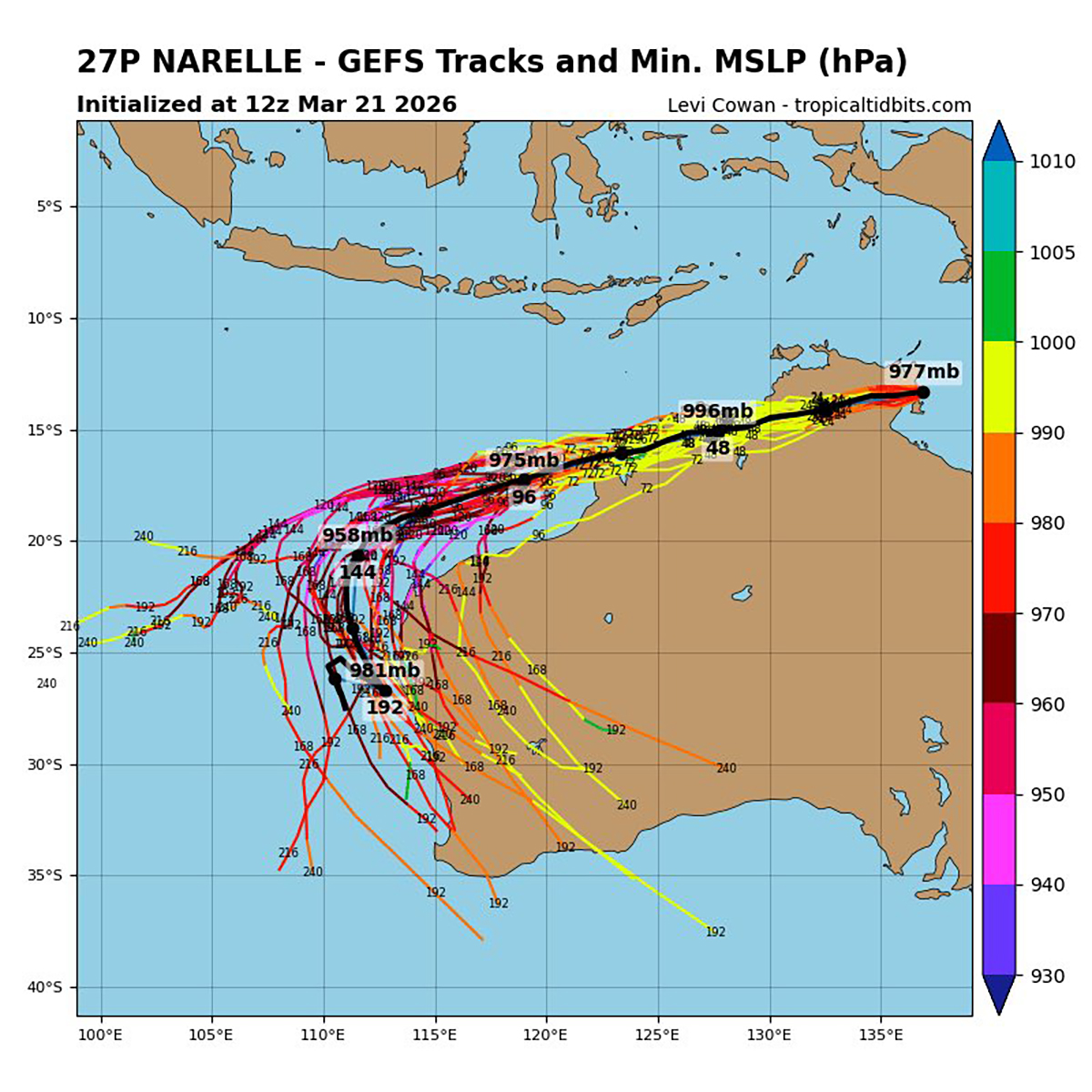
Cyclone Narelle changes our Itinerary : waiting it out in protected Port Adelaide till 29th March, then skipping ports to Fremantle. |
 |
 |
 |
|
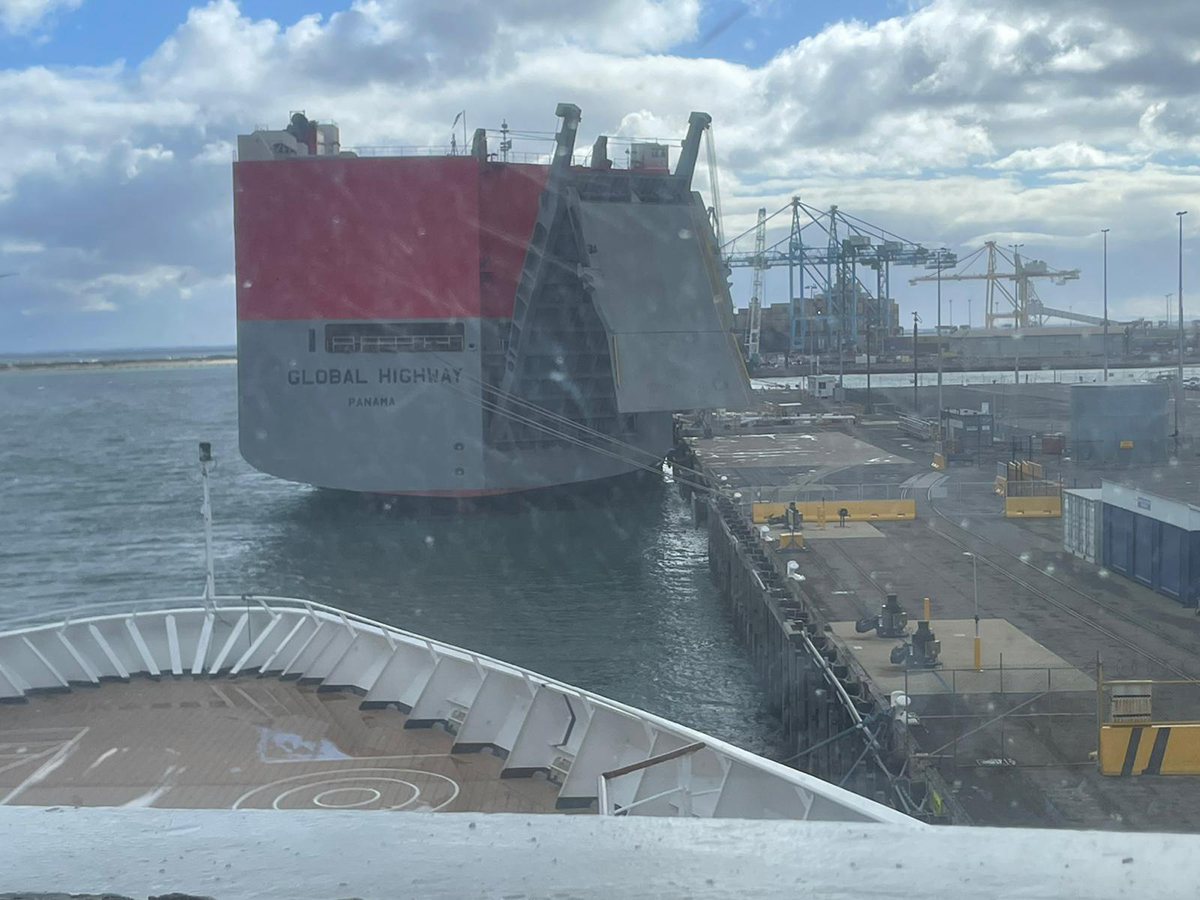
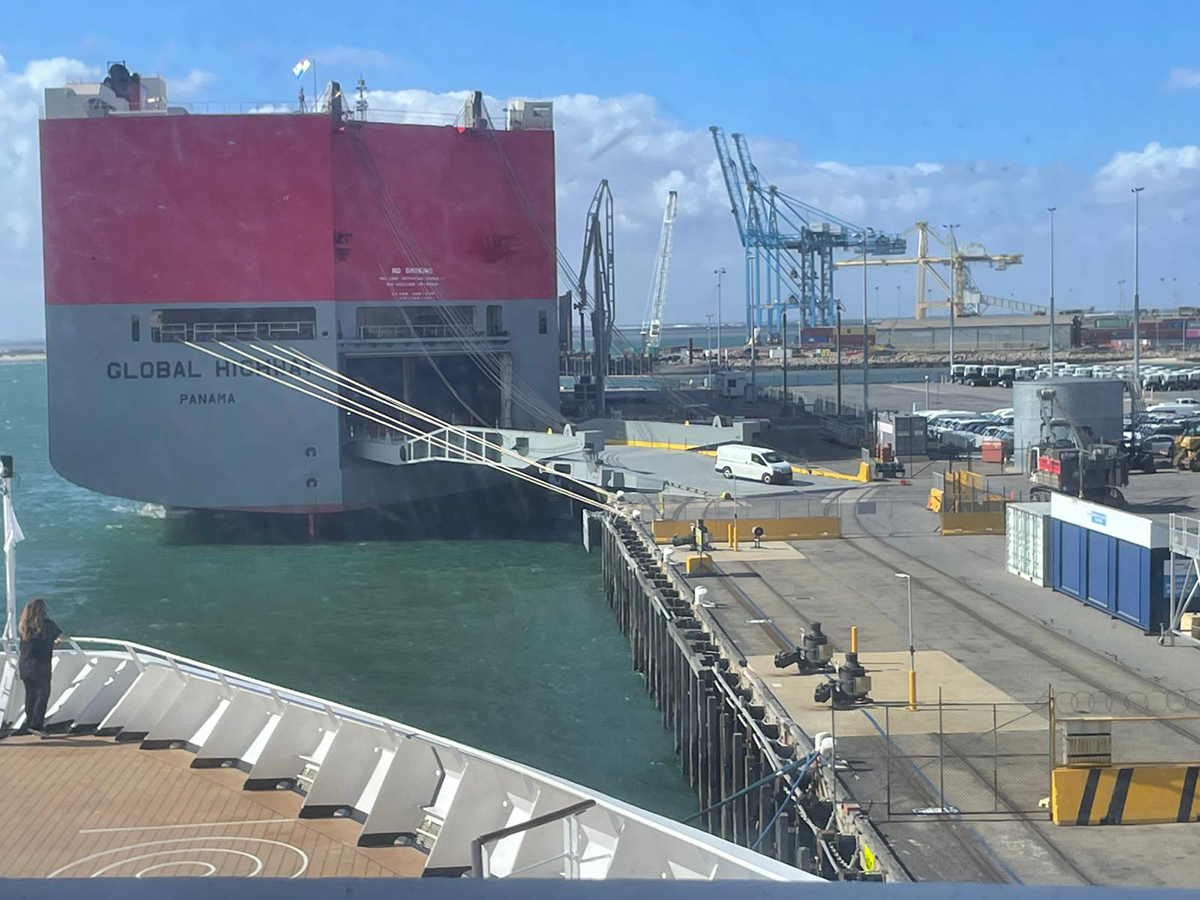
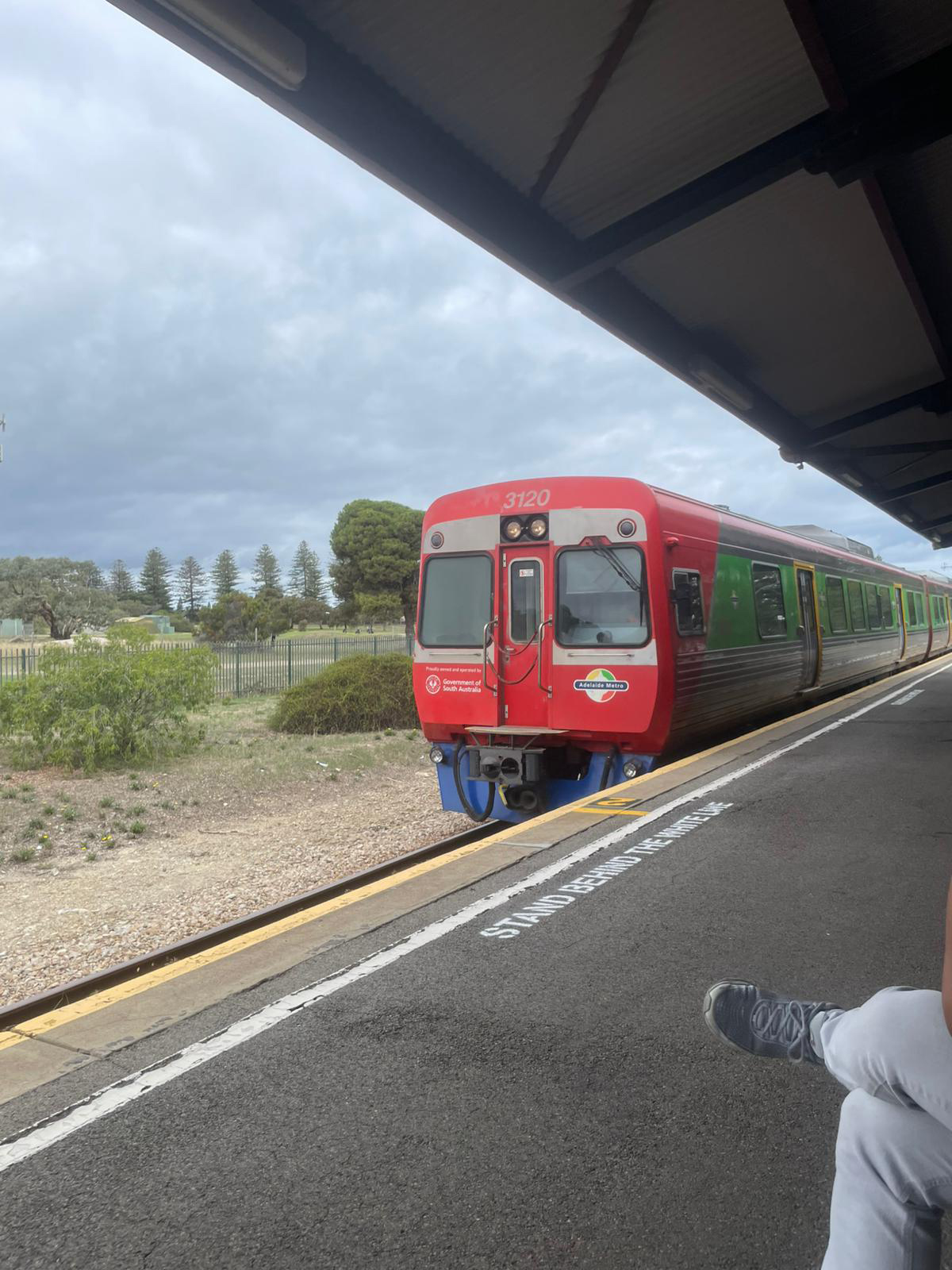
March 25, 2026 Marti Eicholz As dawn broke over the southern coast of Australia, our voyage from Melbourne culminated in two tranquil days at sea, traversing the vast expanse toward Adelaide. The Odyssey glided smoothly across the South-Central Coastal Waters and Western Victoria, its hull slicing through gentle morning ripples that shimmered under the first rays of sunlight. Each passing hour brought a rising sense of anticipation. As the swells intensified near Kangaroo Island, we were reminded of the ocean’s untamed energy, which eventually yielded to the calm embrace of Gulf St. Vincent. Approaching the Port Adelaide River channel, we gathered at the rails, eager for a glimpse of land after the restful journey. The transition from the open sea to the sheltered port was visible, and a subtle hush fell over the ship as the city’s skyline emerged through the growing cloud cover. The Odyssey eased into the Port Adelaide Passenger Terminal at Outer Harbor, about 20 km (12.5 miles) from Adelaide’s vibrant center. With the cloudy sky promising a day in the low 70s, the city felt both inviting and mysterious, shrouded in gentle morning light. As the gangway lowered and the crew prepared for a seamless disembarkation, we readied ourselves for exploration. The port’s efficient train link offered quick and comfortable access to Adelaide’s heart, where lush parklands and a rich cultural tapestry awaited. Renowned for its UNESCO City of Music designation, Adelaide was ready to welcome us with its blend of natural beauty and creative energy. The arrival of the Odyssey was not just the end of a journey, but the beginning of new adventures in South Australia’s capital. Adelaide, nestled in South Australia, is renowned for its picturesque landscapes, vibrant markets, and laid-back charm. Yet, for many, one memory stands out: the relentless presence of flies. When I first visited Adelaide in December of 1999, my experience was shaped by the constant swatting of flies, the so-called ‘Aussie salute’ and the persistent buzzing companions that seemed to follow me everywhere. Returning years later, I hoped to see Adelaide from a new perspective, perhaps leaving behind those memories of persistent flies. As I explored the city’s vibrant urban heart and ventured into the surrounding Adelaide Hills, I quickly realized that flies are still a notable part of the landscape, especially during the hot, dry months when their numbers surge. Fortunately, our visit in March marked the transition from summer to autumn, bringing mild and pleasant weather, which also meant fewer flies and made outdoor adventures far more enjoyable. Locals spoke of bush flies and house flies, drawn to sweat, food, and waste, and shared their own strategies for coping, from using Aerogard repellent to installing fly screens on every window. Even so, flies remain a force to be reckoned with, sometimes more aggressive than anywhere else in Australia. Despite this perennial nuisance, Adelaide’s beauty and hospitality shine through. The city's spirit is undiminished by the seasonal challenge, and I found myself appreciating both the resilience of its residents and the quirky traditions born from living alongside such persistent pests. Whether sharing a laugh about the “Aussie salute” or seeking shade at a local café, the story of Adelaide and its flies weaves into daily life, creating an experience that is uniquely South Australian. Adelaide is celebrated for its vibrant atmosphere and unique blend of cultural, culinary, and natural attractions. Often described as the "20-minute city," I was immediately struck by how easy it is to get around; everything feels just 20 minutes away. Whether heading to golden beaches or exploring rolling hills, the city’s lush parklands create a tranquil oasis that frames the bustling downtown area, offering plenty of green space to relax and recharge. The city is not only renowned for its unique blend of natural beauty but also for its rich cultural heritage, reflected in its historic architecture and its nickname, “City of Churches.” Surrounded by parklands, Adelaide stands as a testament to thoughtful urban planning and environmental stewardship. The city's layout, masterminded by Colonel William Light, is truly unique. Envisioned within a 900-hectare (2224 acres) belt of parks, Adelaide remains the only city in the world designed with such a deliberate focus on green spaces. These expansive parklands not only enhance the city's aesthetic appeal but also provide ample opportunities for recreation and relaxation. The extensive parklands surrounding Adelaide, covering 760 hectares (1878 acres), create a natural boundary between the city and North Adelaide, further enhancing its reputation as one of the world's most livable cities. In 2024, Architectural Digest honored Adelaide by naming it the most beautiful city in the world, a testament to its harmonious blend of nature, history, and innovation. Established in 1836 by free settlers, Adelaide quickly distinguished itself from other Australian cities through its pioneering commitment to social justice. It was the first city in Australia to grant women the right to vote and formally acknowledge Indigenous land rights, setting a powerful precedent for equality and inclusivity. This spirit of progress continues to define Adelaide, making it a beacon of modern governance and cultural respect. Adelaide is also celebrated for its remarkable achievements and milestones. As the first Australian city to legalize gay rights and outlaw discrimination based on sexuality or race, it has consistently championed human rights and equality. The city made history again in 1971 by flying the Aboriginal flag, symbolizing its ongoing commitment to reconciliation and recognition of Aboriginal heritage. Beyond its social accomplishments, Adelaide is recognized globally for its contributions to the wine industry. South Australia produces over half of Australia's wine, earning Adelaide the title of one of the Great Wine Capitals of the World. The city is also a major hub for opal trading, famous for its high-quality gemstones and thriving market. Adelaide, South Australia, is a captivating capital city where culture, cuisine, and natural beauty seamlessly blend to create an unforgettable experience. The historic Adelaide Central Market beckons with aisles of fresh produce and gourmet treats, inviting you to sample everything from hand-crafted cheeses to locally roasted coffee. Unique bars and cafes leave a lasting impression, exceeding every expectation, while North Terrace’s historic museums offer glimpses into the city’s rich heritage. Rundle Mall’s vibrant shopping scene features bustling arcades and iconic sculptures, and nearby villages in the Adelaide Hills, such as Hahndorf, entice with charming streets and artisan shops. Nature is never far away in Adelaide, providing tranquil retreats throughout the city. Shipmates discovered the coastline’s relaxing atmosphere, with metropolitan beaches like Glenelg and Henley offering golden sands and engaging surf. The city’s extensive parklands offer walking and cycling trails, while the Adelaide Hills provide scenic views and outdoor adventures. For our wine enthusiasts, Adelaide is a gateway to some of Australia’s most famous wine regions, including Barossa Valley, McLaren Vale, and Adelaide Hills. These areas are renowned not only for their world-class Shiraz but also for their charming villages and gourmet dining experiences. Adelaide truly delivers the perfect mix of culture, food, and nature, leaving me with memories I will always cherish. In the end, Adelaide stands as a city where contrasts harmonize tradition and innovation, tranquility and vibrant energy, nature and urban life. Our arrival marked not just the end of a memorable sea journey, but the start of new discoveries in a place where every encounter, whether with locals, landscapes, or even the persistent flies, adds to the city’s unique tapestry. Adelaide’s welcoming spirit and distinctive character linger long after departure, inviting us to return and explore even more. *** March 26-28, 2026 - The journey faced a series of unexpected challenges that made it necessary to revise our original itinerary. Severe weather conditions, including the approach of Tropical Cyclone Narelle, created significant safety concerns and disrupted our planned schedule. The cyclone's unusual trajectory, combined with its intensity and wide-reaching effects, forced the captain and crew to make quick decisions to safeguard everyone onboard and the vessel. Our overall route was adjusted to prioritize safety and optimize fuel usage. The cooperation with port authorities became crucial as we remained in port longer than anticipated, waiting for conditions to improve and a berth to become available before continuing on an altered path toward Fremantle, as Adelaide experiences its own dramatic weather shift, a rapid transition from summer heat to an unseasonably cold snap, described as a "clash of seasons." To be continued |
|
Copyright © 2026 All rights reserved |