|
|
 |
 |
|
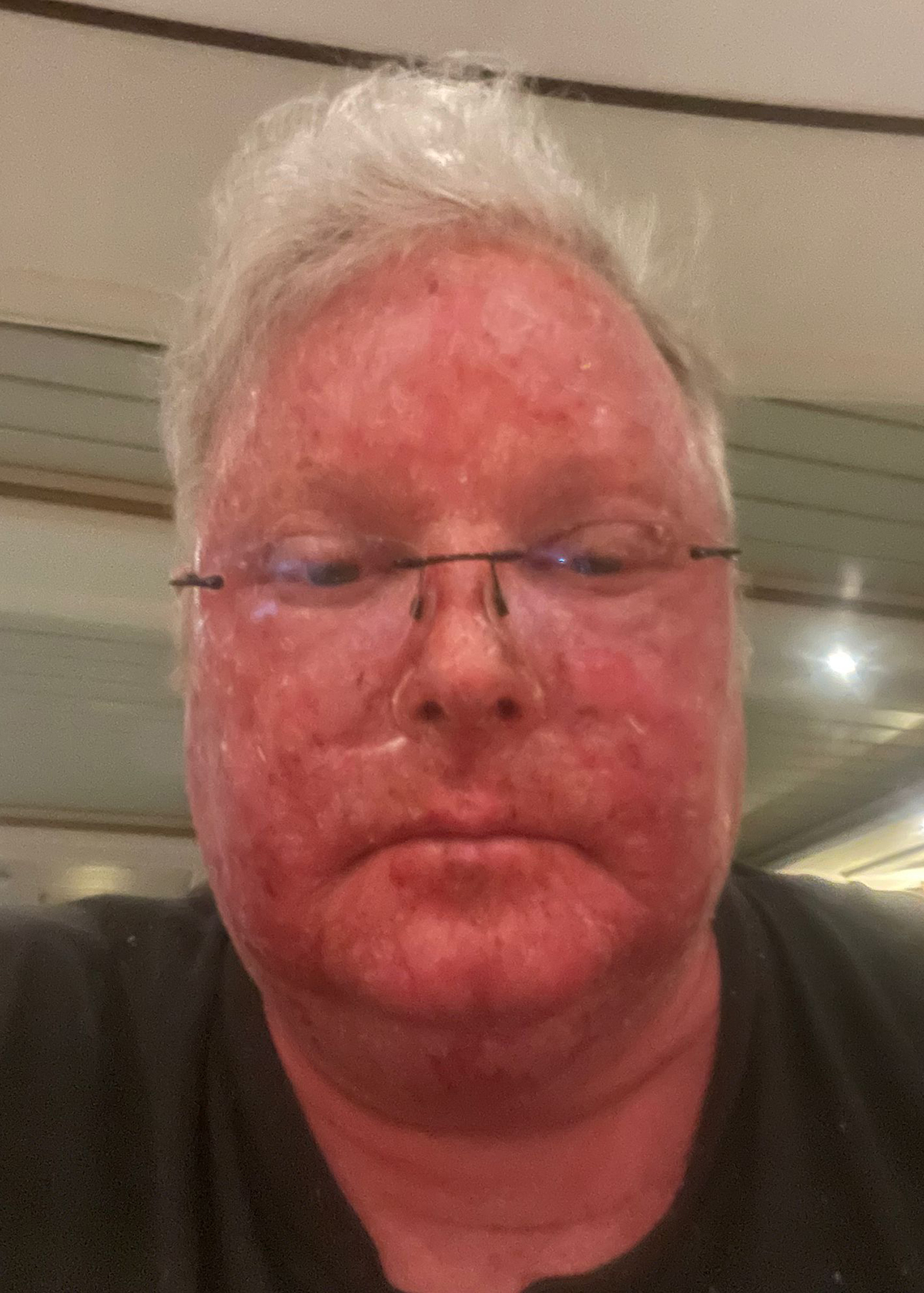
Steroid withdrawl [dexamethasone]
Yes, its' as painful as it looks. |
|
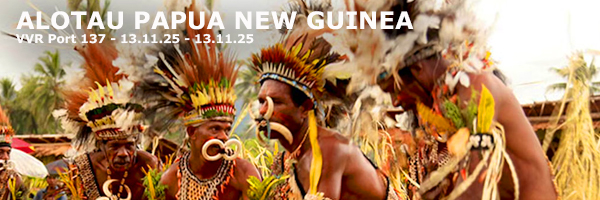
November 13, 2025 Marti Eicholz The Odyssey embarks on a two-day voyage from Cairns, Australia, crossing the Coral Sea to reach Alotau, the gateway to Papua New Guinea. November 12, 2025, a rainy day at sea, is a wonderful and unexpected gift from nature, transforming the world into a quiet, reflective place. The gentle sound of raindrops on the deck creates a soothing rhythm, while the gray sky promises the beauty of new rainbows yet to reveal themselves. As I gaze out, my eyes eagerly search the horizon, hoping to catch the first glimpse of those magical arcs of color. In the meantime, the steady rainfall makes it the perfect moment to savor a warm cup of tea and immerse myself in the pages of a delightful book, letting the cozy atmosphere wrap around me like a comforting blanket. Our arrival in Alotau is another rainy day. Papua New Guinea, an island nation located in the southwestern Pacific Ocean, consists of the eastern half of the island of New Guinea and a collection of smaller offshore islands. It shares borders with Indonesia to the west, lies just north of Australia, and is situated southeast of the Solomon Islands. Renowned as the world’s most linguistically diverse country, Papua New Guinea boasts over 850 languages. This extraordinary diversity stems from the country’s rugged terrain, mountain ranges, dense forests, and isolated valleys, which historically kept communities separated. As a result, each village often developed its own language or dialect, fostering strong local identities and deep-rooted cultural traditions. With a population of approximately 11.8 million people, Papua New Guinea remains predominantly rural, with about 80–85% of its citizens living in countryside communities. Many depend on subsistence farming or cultivate small cash crops to support their livelihoods. However, rural life is marked by significant challenges: around 40% of residents live below the international poverty line, and basic infrastructure is lacking. Limited access to clean water, electricity, healthcare, and education continues to be a pressing issue for much of the population. Social challenges are also pronounced. According to the United Nations Development 2021 Gender Inequality Index, Papua New Guinea ranks near the bottom, 160th out of 161 countries, when it comes to gender equality. Traditional cultural practices, particularly in rural areas, uphold significant gender disparities. Women and girls often have less access to healthcare and education, and their voices are rarely heard in decision-making processes, whether at home or in government. Since gaining independence in 1975, only ten women have ever been elected to the National Parliament, with just three currently serving. The nation also faces alarmingly high rates of violence against women and girls, with many cases of domestic abuse going unreported and survivors having little access to support services. People with disabilities in Papua New Guinea, estimated at around 1.2 million, face additional hurdles. Misconceptions about disability are widespread, with some attributing disabilities to supernatural causes such as sorcery or witchcraft, an attitude that can result in severe social exclusion, particularly for women. Access to healthcare, education, financial services, and participation in public life is often limited for people with disabilities, and government policies frequently overlook their needs and rights. Despite these challenges, Papua New Guinea is endowed with remarkable natural resources, including substantial reserves of gold, copper, and natural gas. The extraction and export of these commodities form the backbone of the country's economy, fueling economic development. There is a growing emphasis on sustainable practices to ensure that economic progress does not come at the expense of environmental preservation. The landscape of Papua New Guinea is as breathtaking as it is diverse. The island of New Guinea, split between Papua New Guinea in the east and the Indonesian provinces of Papua and West Papua in the west, is home to spectacular highlands, lush rainforests, and winding river systems. The New Guinea Highlands and the Eastern Highlands are celebrated for their dramatic scenery and unique flora and fauna. Major river systems like the Fly River and Sepik River rank among the world’s most biologically diverse, sustaining both wildlife and local communities. The region’s rainforests are the third largest in the world, following the Amazon and Congo, and they teem with an astonishing array of plant and animal life. Papua New Guinea is a paradise for biodiversity: over 20,000 plant species, including about 3,000 types of orchids, thrive here. The country shelters more than seven hundred bird species, with approximately sixty found nowhere else, such as the dazzling Superb Bird of Paradise, the blackest living creature on the planet—and the extraordinary Hooded Pitohui, the only known poisonous bird. Other remarkable wildlife includes tree kangaroos (unique marsupials resembling a blend of kangaroo and lemur), agile and forest wallabies, cuscuses, echidnas, and the vibrant Birdwing butterfly. Yet, the same geography that makes Papua New Guinea so beautiful also presents formidable challenges. The country’s mountainous interior, dense tropical rainforests, and immense river systems create both opportunities and obstacles for its people. Its position on the Pacific Ring of Fire makes the nation especially vulnerable to natural disasters such as earthquakes, volcanic eruptions, and tsunamis. This combination of natural wealth, cultural diversity, and geographic complexity makes Papua New Guinea a truly unique and fascinating destination. Papua New Guinea is home to an impressive tapestry of more than one thousand distinct cultural groups, each contributing to the nation’s vibrant identity. Many communities continue to maintain their age-old customs, which coexist alongside the evolving dynamics of modern urban life. Despite the influence of cities, over 80% of the population still resides in rural villages, where traditional ways of living remain deeply rooted. Historically, seashells served as currency, and in some areas, they are still valued as bride price in marriage ceremonies, underscoring the enduring significance of ancestral practices. The country's economy centers around rich natural resources such as gold and copper, while development efforts receive substantial support from Australia. The Trobriand Islands, famously dubbed the “Islands of Love” by anthropologist Malinowski, are celebrated for their remote charm, pristine beaches, and a unique local version of cricket that reflects the islands’ playful spirit. Fergusson Island offers extraordinary geothermal wonders, hot springs, bubbling mud pools, geysers, and volcanoes, along with exceptional bird watching opportunities, including sightings of rare species like the Bird of Paradise and the CurlCrested Manucode. Goodenough Island and Normanby Island remain untouched by mass tourism, providing ideal settings for adventurous exploration and observing native birdlife. Misima Island, notable for its 1930 gold rush, stands as the most populated and accessible island in the Louisiade Archipelago, with a community of around 5,000 residents. Samarai, a small island at Milne Bay’s entrance, once thrived as a bustling gold rush boom town in the 19th century, hosting several hotels for fortune seekers. Although its former prosperity has faded, Samarai retains its allure and is easily reached by a short boat trip from Alotau. Alotau, nestled on the southeastern tip of Papua New Guinea, is beautifully situated along the sheltered northern shore of Milne Bay. This major regional port boasts a vast, deep-water harbor framed by forested ranges and offers a scenic waterfront with views of more than six hundred volcanic islands, coral reefs, and a rugged coastline marked by capes and coves. The area’s lush landscape is shaped by a narrow coastal strip, often soggy with sago and mangrove swamps, and is richly interspersed with agricultural coconut groves and clear teal waters, making it a hub for fishing and exploration. As for the culture in Alotau, the town is renowned for its remarkable diversity, hosting a mosaic of tribes, each preserving distinctive languages, customs, and traditions. Traditional dance and music hold a central place in community life, with performances that highlight the unique rhythms, movements, and stories passed down through generations. These vibrant cultural expressions not only foster local unity but also offer a window into the enduring spirit and creativity of Alotau’s people. The culture of Alotau is intricately woven with the rhythms of the sea, shaping the daily lives, traditions, and cuisine of its people. Visitors are encouraged to savor authentic local dishes, such as sago, a versatile staple made from the sago palm—and taro, both commonly paired with freshly caught fish from the surrounding waters. These flavors come alive at Alotau's lively town market, where you can immerse yourself in the vibrant atmosphere while sampling an array of regional specialties and interacting with friendly local vendors. Alotau's more recent history is profoundly shaped by the events of World War II, which played a pivotal role in the broader conflict across the Pacific. The Battle of Milne Bay, fought in late August 1942, stands out as a significant turning point; it was here that combined Australian and Papuan forces successfully repelled the Japanese advance. Today, the legacy of this crucial battle is commemorated by a prominent Australian War Memorial, featuring detailed accounts and tributes to those involved. Additionally, another memorial located between Alotau and Gurney Airport marks the site of a former WWII airstrip. This is the Turnbull Memorial, dedicated to Squadron Leader Peter St George Turnbull of Australia, who lost his life during the battle. The surrounding waters of Milne Bay, now dotted with submerged wrecks, serve as poignant underwater reminders of the area’s wartime past and attract divers from around the world seeking to explore this historic legacy. As we depart from Papua New Guinea, it’s impossible to ignore the significant challenges the region continues to face. The warming of ocean waters poses a direct threat to local fisheries, which are not only vital for the country’s economy but also for the sustenance and livelihoods of countless communities. Furthermore, the impacts of climate change are compounded by the ongoing loss of biodiversity and the rampant illegal logging that is devastating Papua New Guinea’s ancient rainforests at an alarming and unsustainable pace. These interconnected issues highlight the urgent need for conservation efforts and sustainable practices to protect the region’s unique natural and cultural heritage for future generations. |
|
Copyright © 2025 All rights reserved |