
|
|
 |
 |
|
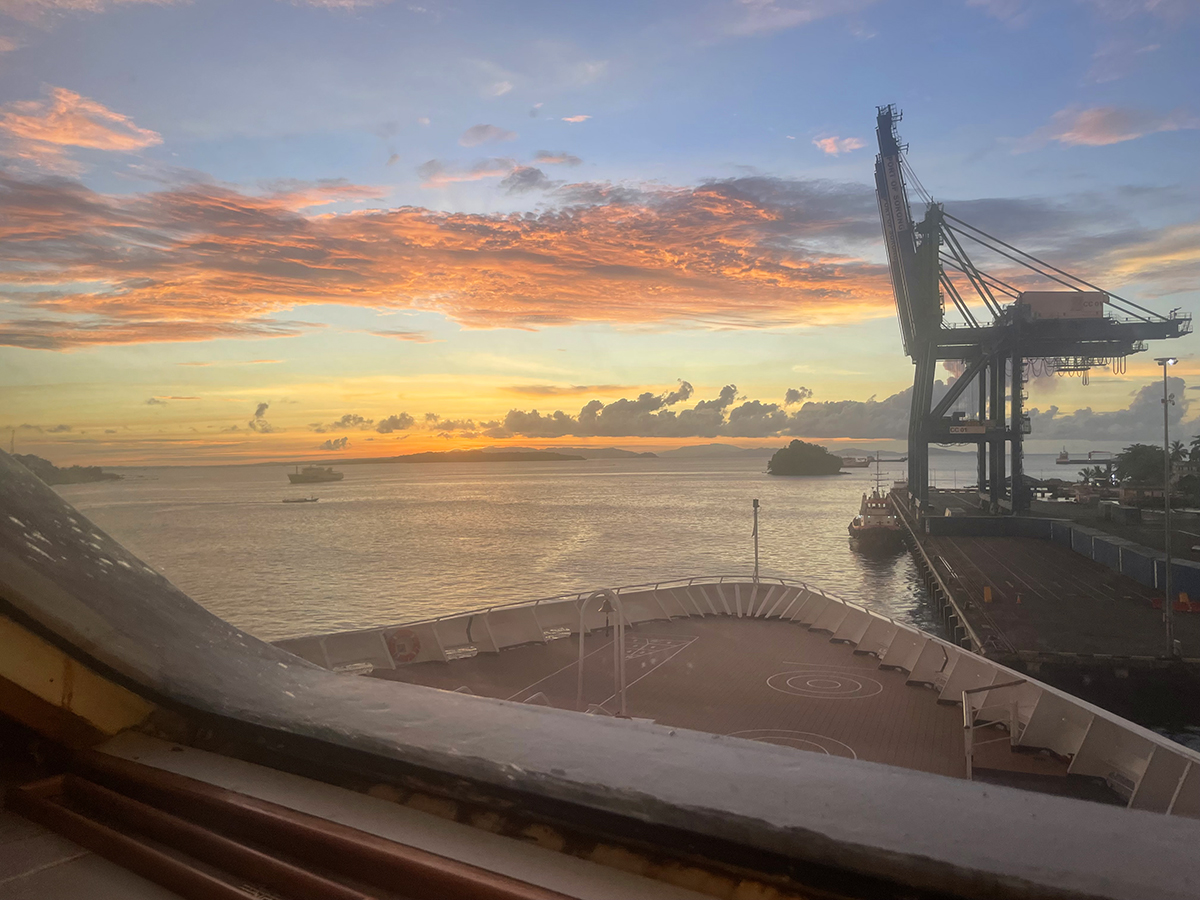
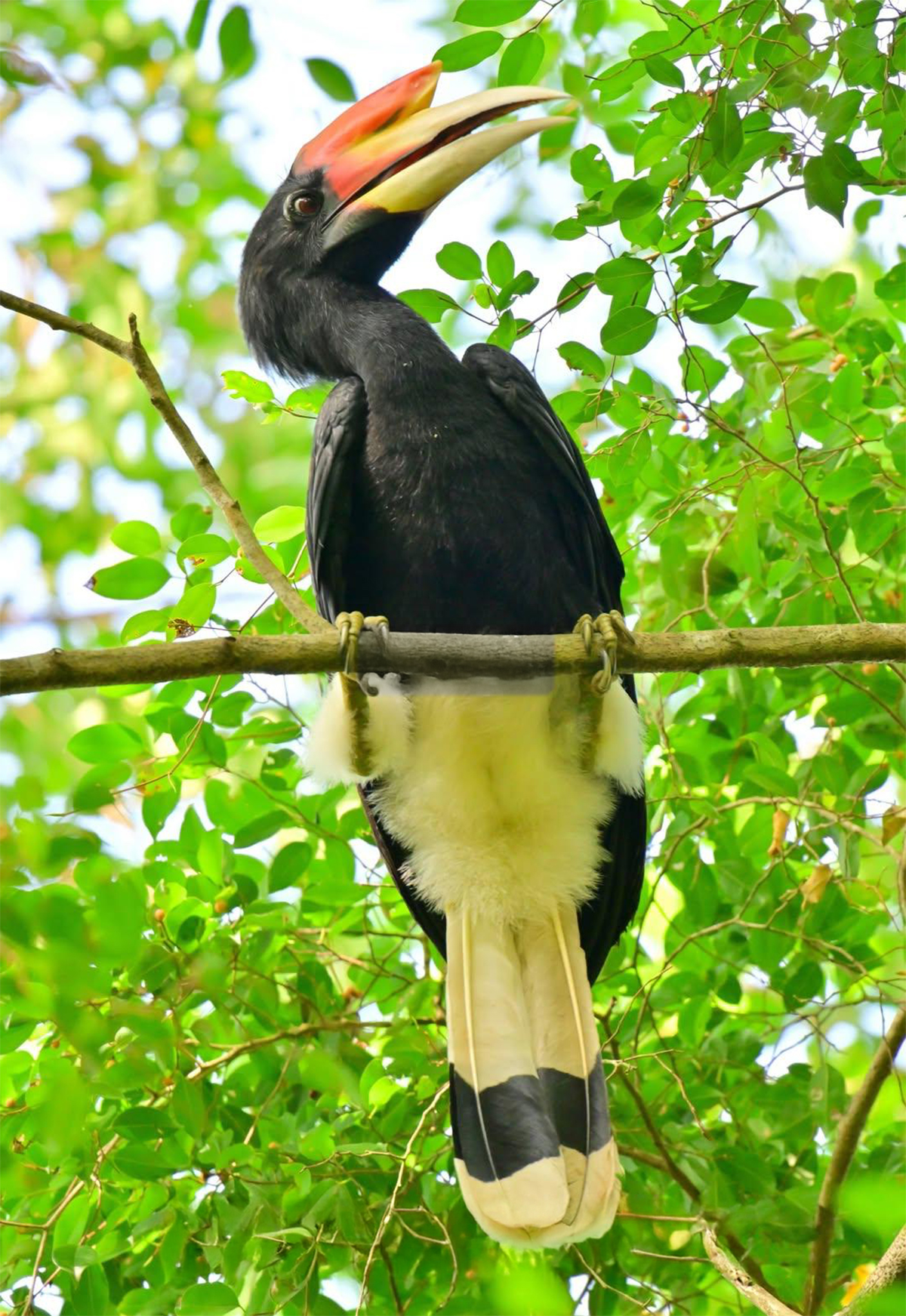
October 28-30, 2025 Marti Eicholz The Odyssey docks at the vibrant Port of Sorong, a lively hub where you have the unique opportunity to immerse yourself in the daily rhythms of local life and engage directly with the city’s welcoming residents. Sorong stands as the largest and most dynamic city in Southwest Papua, Indonesia, strategically situated on the western tip of the Bird’s Head Peninsula of New Guinea. This bustling coastal metropolis lies adjacent to the Dampir Strait, serving as the principal gateway for travelers venturing to the world-famous Raja Ampat islands, celebrated globally for their extraordinary coral reefs and unparalleled marine biodiversity. The name “Sorong” originates from the Soreri language, meaning “deep and turbulent seas,” a fitting description for the city’s maritime character and its role as a major port. The climate here is distinctly tropical, with consistently warm temperatures, high humidity, and frequent, abundant rainfall throughout the year, which nourishes the lush landscapes surrounding the city. Sorong is a thriving port city with a rapidly expanding population estimated at around 289,800. It serves as a vital center for oil and gas production, attracting a diverse array of people and fostering a vibrant mix of cultures due to its status as both an industrial powerhouse and a key transit point. The city’s multi-ethnic population enriches its cultural tapestry, and its religious diversity is evident in the harmonious coexistence of mosques and churches, with Protestants, Muslims, and Catholics making up the largest faith communities. Just a short boat ride from Sorong lies Doom Island, a destination steeped in history and natural beauty. Once the administrative center during the Dutch colonial period, the island still bears remnants of its past, including tunnels constructed by the Japanese during World War II. Over time, Doom Island has transformed from a colonial stronghold into a lush, residential haven, renowned for its abundant breadfruit trees and vibrant gardens. The island’s original name, “Dum,” bestowed by the Malamooi Indigenous people, translates to “island overgrown with fruit trees,” reflecting the island’s verdant character and peaceful ambiance, quite contrary to its ominous current name. Today, Doom Island is densely populated with communities of Javanese, Butonese, Bugis, and Toraja immigrants, and can be explored on foot in about 45 minutes. You are greeted by a lively atmosphere, where music fills the air and the local street food scene thrives along a stretch fondly known as “The Berlin Wall.” The “Berlin Wall” in Sorong is a 1.3-mile-long sea wall that has become a beloved gathering spot for residents and visitors alike. Here, people relax and socialize, indulging in delicious Indonesian snacks and meals prepared by local vendors, sipping on fresh coconut drinks, and enjoying the mesmerizing views of waves crashing against the wall, especially as dusk falls and the city lights begin to twinkle. Sorong’s significance extends beyond its industrial and cultural richness; it is the chief launching point for expeditions to the Raja Ampat Islands, a region regarded as one of the world’s most biodiverse marine environments. Among these islands, Misool stands out as a remote and breathtaking gem within the Raja Ampat archipelago. The island captivates with its dramatic limestone cliffs, secluded bays, and strikingly clear aquamarine waters that reveal intricate underwater landscapes. Misool’s lush tropical scenery, combined with its exceptional marine biodiversity, makes it a coveted destination for snorkelers, divers, and nature enthusiasts. Its protected marine reserves safeguard vibrant coral reefs teeming with life, and the island’s archaeological significance is notable. Misool is believed to have played a role in early human migration from Africa, marking it as a site of historical and scientific interest. Visitors can revel in the serene beauty of Misool, swimming, kayaking, or simply soaking up the tranquil surroundings, while reflecting on their ancient legacy. Adventurers seeking further exploration can journey by boat, kayak, or on foot through jungle pathways to reach the enchanting Kali Biru River, Raja Ampat’s famed “Blue River.” Tucked away at the end of a small estuary near the village of Warsamdim, Kali Biru dazzles with water so clear and vividly blue it seems almost surreal. Pebbles on the riverbed appear sharply defined, and the interplay of colors creates an ethereal, dreamlike scene. The surrounding rainforest whispers tales of ancient times as sunlight filters through the canopy, casting shimmering patterns on the water and inviting visitors to snorkel, swim, or simply float in the refreshing embrace of nature. This hidden paradise offers a sanctuary of tranquility, where time seems to stand still, worries fade away, and the songs of tropical birds provide a soothing soundtrack to a truly unforgettable experience. Each step along the riverbank is a journey deeper into the heart of untouched wilderness, awakening the senses and forging a profound connection to the raw, unspoiled beauty of the natural world. Sorong offers a wealth of fun and distinctive attractions that capture the city’s eclectic charm. One standout is Pasar Boswesen, a vibrant and bustling market uniquely constructed on stilts above the ocean, where you can experience the lively atmosphere and shop for an array of local goods. The Aimas Bird Park is another highlight, serving as both a nature sanctuary and an educational destination. Here, you can walk through spacious grounds teeming not only with a dazzling array of beautiful birds, including several endemic species, but also encounter other fascinating animals such as monkeys, iguanas, horses, and snakes. This makes it an ideal spot for wildlife enthusiasts and anyone seeking a closer connection with nature. Additional attractions in Sorong include a Chinese-Buddhist temple, renowned for its serene ambiance and stunning sunset views, offering a peaceful retreat and a glimpse into the city’s multicultural heritage. Shopping for local handicrafts is another rewarding experience: you can browse for intricate batik textiles, striking tribal masks, and other handmade treasures that reflect the region’s artistic traditions. Just outside Sorong, the village of Sawinggrai in the Raja Ampat archipelago serves as a gateway to traditional Papuan culture and extraordinary biodiversity. The village is famous for its population of Birds of Paradise, whose vibrant plumage and unique courtship displays attract birdwatchers from around the world. The crystal-clear waters surrounding the village are alive with colorful fish, making the area perfect for snorkeling and fish feeding near the jetty. You can immerse yourself in the local way of life by exploring traditional stilt houses, engaging with the welcoming community, and participating in cultural walks. Other enjoyable activities include birdwatching, swimming, and soaking up the natural beauty of the surroundings. Another notable site is the Sapta Ratna Pagoda, a striking Chinese Buddhist pagoda perched atop a hill. Built in the late 1990s, this seven-story wooden structure offers panoramic views of Sorong, the ocean, and the harbor, especially breathtaking at sunset. The area surrounding the pagoda includes a tranquil Buddha statue, making it a peaceful spot for reflection and spiritual contemplation. The overall atmosphere in Sorong is a mosaic of contrasts: the city pulses with the frenetic energy of its crowded markets and the warmth of its people, who are quick to smile, wave, and invite conversation. Many of my shipmates are touched by the genuine happiness and hospitality of locals, even those with modest means. However, Sorong’s infrastructure can feel unpredictable and chaotic, with intense heat and humidity, irregular sidewalks, and a lack of organized urban planning adding to the city’s gritty character. The ambiance shifts dramatically between the congested, dynamic lowlands and the more modern, quieter “uptown” districts. Altogether, Sorong is best described as a place with a raw, authentic edge, inviting, challenging, and memorable in equal measure. |
|
Copyright © 2025 All rights reserved |
